
How to celebrate Easter in Italy like a local (2026)
Last updated on March 26th, 2026.
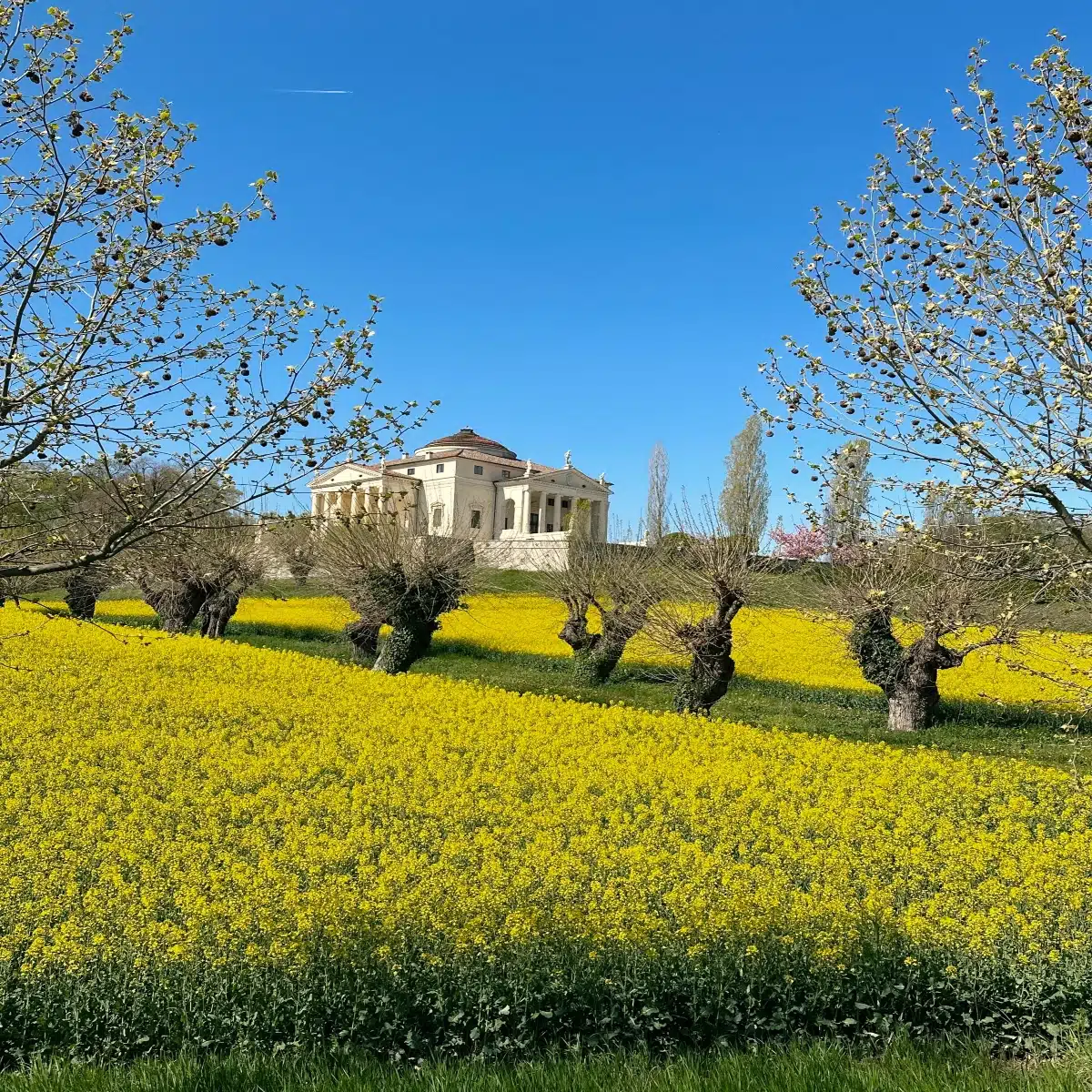
Easter in Italy (Pasqua in Italian) is a sensory overload.
You’ve got church bells ringing, the smell of roast lamb and ancient processions that turn town squares into stage sets.
Everyone tends to go to Rome or Florence when visiting Italy at Easter. But the real deal is in smaller towns where some traditions haven't changed in centuries.
In 2026, Easter Sunday falls on April 5th. Celebrations begin on Palm Sunday (March 29th) and culminate on Easter Monday (April 6th). To celebrate like a local, prioritize regional processions like Florence's Scoppio del carro or Sicily’s Misteri. Book restaurants weeks in advance and expect limited public transit on festival days.
Updated for 2026: official event times and dates
If you’re visiting Italy for Holy Week this year, here are the confirmed schedules for the major national traditions.
Palm Sunday (March 29th, 2026)
Papal Mass in St. Peter’s Square, Rome at 10am. Good Friday (April 3rd, 2026)
Rome: The Via Crucis (Way of the Cross) led by the Pope at the Colosseum starts at 9:15pm. No tickets required, but arrive at least 3 hours early.
Enna, Sicily: the silent procession of 2,500 hooded friars begins in the late afternoon.
Easter Sunday (April 5th, 2026)
Vatican City: Easter Mass in St. Peter’s Square at 10:15am, followed by the Urbi et Orbi blessing at noon.
Florence: the Scoppio del Carro (explosion of the cart) in Piazza del Duomo. The procession starts at 10am, with the 'explosion' occurring around 11am.
Pasquetta/Easter Monday (April 6th, 2026)
This is a national holiday. Expect most locals to be out of town. Most museums will be closed as will smaller shops.
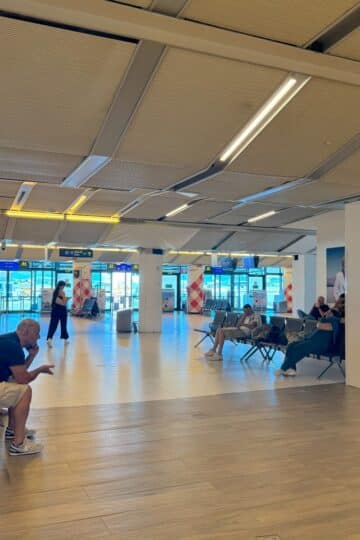
Traveling between cities this Easter? Make sure to check my guide on major international airports in Italy to plan your arrival and departure around the holiday crowds.
Is Easter in Italy 2026 worth the crowds?
Easter is worth the visit if you prioritize cultural experiences over check list sightseeing.
While Rome and Florence will be at peak capacity, the atmosphere is electric. For a calmer experience, head to smaller towns like Sulmona or Orvieto, where the true spirit of the holiday remains intact without 3-hour museum lines.
If you’re coming to Italy in April 2026 expecting a peaceful morning at the Uffizi, think again. The Easter crowds are no joke, and the gallery, along with other popular attractions, will be packed.
But, as someone who lives between northern Italy and Sicily, there’s an exception to visiting Italy in April: Settimana Santa. Holy Week is an opportunity to experience ancient traditions that you won’t find at any other time of the year.
However, the real headache for most people is getting around. Since Easter hits in early April 2026, the weather is usually perfect. It’s mild enough for the many outdoor processions, but it also means that everyone, and their cousin, will be out too.
My survival secret on how to celebrate Easter in Italy: don't try to do it all.
Stick to one area. Joining the locals in Abruzzo for their Easter traditions will feel authentic and welcoming. Doing the same thing in Rome might feel more like an endurance challenge than a vacation.
In this resident's guide, I’ll share my tips on how to celebrate Easter in Italy like a local.
Read about the different traditions, the best Easter foods in Italy and where to watch the Via Crucis in Rome.
It’s the perfect resource to help plan your 2026 Italy trip.
Jump to:
- Florence: Scoppio del carro (the explosion of the cart)
- Sulmona: La Madonna che scappa (the running Madonna)
- Trapani: Misteri dei Trapani (The Procession of the Mysteries of Trapani)
- Iglesias, Sardinia: The Procession of the Descenso
- Prizzi, Sicily: Il Ballo dei Diavoli (The Dance of the Devils)
- Bormio, Lombardy: I Pasquali di Bormio
- Rome: Via Crucis at the Colosseum
- Budget for Easter 2026
- What is open in Italy during Easter Week?
- Pasquetta: the most fun day in Italy in Easter
- FAQs
- 💬 Comments
2026 Italy Holy Week calendar
| Date (2026) | Holy day | Tradition | Best city/town and region |
| March 29th | Palm Sunday | Start of Holy Week, blessing | St. Peter's Square, Rome (Lazio) |
| April 2nd | Maundy Thursday | Chrism mass and the 'washing of the feet' rituals | Across Italy |
| April 3rd | Good Friday | Misteri/Via Crucis/Decesno | Trapani (Sicily), Rome (Lazio), Iglesias (Sardinia) |
April 4th | Holy Saturday | Easter Vigil | Across Italy |
| April 5th | Easter Sunday | Scoppio del Carro/La Madonna che scappa/Il ballo dei diavoli/Handcrafted floats | Florence (Tuscany), Sulmona (Abruzzo), Prizzi (Sicily), Bormio (Lombardy) |
April 6th | Pasquetta | Get-together with friends, picnics in the park or countryside | Across Italy |
7 unique Italy Easter traditions you won't find in a guidebook
Florence: Scoppio del carro (the explosion of the cart)
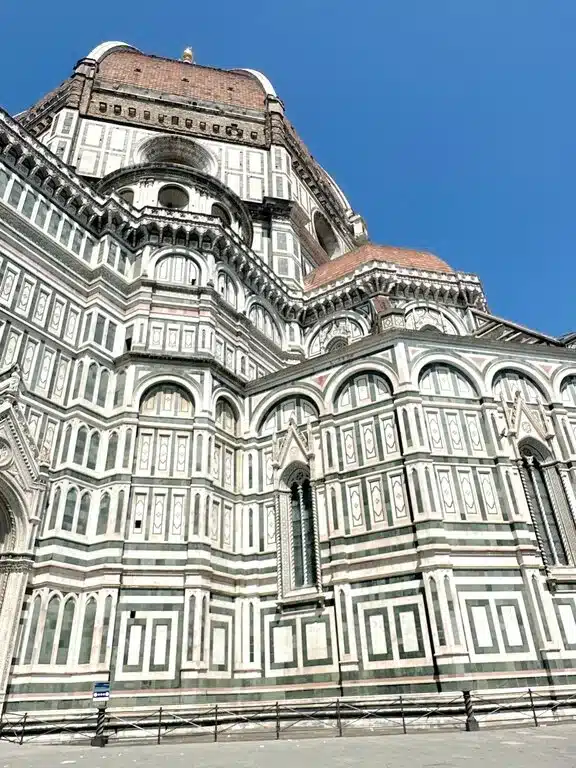
The Scoppio del carro is a 30ft tall antique cart filled with fireworks, pulled by white oxen to Florence’s Duomo on Easter Sunday. During mass, a mechanical dove (the colombina) flies down a wire to ignite the cart creating a pyrotechnic display. A successful display signals a good harvest and good business.
If you’re planning on being in Florence in Easter, don’t miss the chance to see this unique tradition.
The history
The Scoppio del carro dates back nearly 1,000 years to the First Crusade (1099). A young Florentine named Pazzino de' Pazzi was the first to scale the walls of Jerusalem. As a reward, he received three flints from the Holy Sepulchre church.
These flints were brought back to Florence to light a holy fire. By the late 15th century, the ritual evolved into the spectacle we see today.
Built in 1622, the brindellone, as locals call the cart, is a wobbling, magnificent tower of history.
The event
Arrive by 8am to secure the best spot in the piazza. Even though the 'explosion' happens around 11am, the procession of flag-throwers and drummers in medieval dress starts much earlier.
Look out for: if the mechanical dove makes a perfect return trip to the altar, Florentines believe the year will bring good luck.
Many farmers, particularly from the Florentine countryside, still come to observe the Scoppio del carro. Even today, you’ll likely see older locals nodding in relief if the dove makes its round trip smoothly.
Sulmona: La Madonna che scappa (the running Madonna)
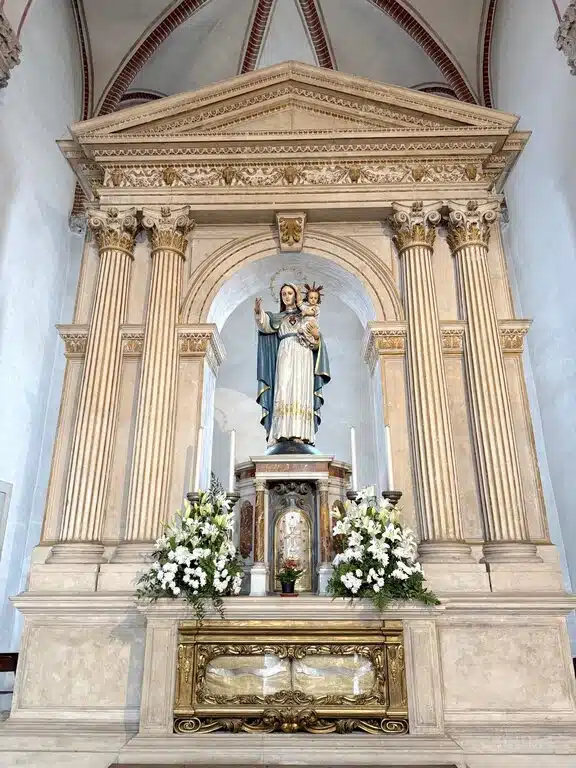
In the heart of Abruzzo, the Madonna che scappa reenacts the moment Mary realizes Jesus has risen. On Easter Sunday, a mourning statue of Mary is carried into Piazza Garibaldi. In an instant, her black veil falls away to reveal a green dress as she ‘runs’ across the piazza.
The history
This tradition has a long history, dating back to at least the 1700s (and likely much further). The Confraternita di Santa Maria di Loreto brotherhood still runs it today, just as they have for generations.
La Madonna che scappa is more than a show: for the locals, it’s an omen. A smooth run means a great year for crops, but a fall is considered a bad sign. People here still mention 1914 and 1940 as ‘the years the Madonna fell’: the years before both World Wars.
The event
Crowds gather in Piazza Garibaldi on Easter Sunday standing in silence.
Members of the brotherhood carry the Madonna who is wearing a black veil. The moment she 'sees’ her son, the run begins.
Her veil is removed to reveal a more reverent shade of green, and doves are released. It’s probably one of the most moving and emotional Easter traditions in Italy.
In 2026, Sulmona and its Easter tradition is the perfect alternative for those who find Rome too overwhelming.
Italy Easter 2026: local traditions & crowd survival map
Trapani: Misteri dei Trapani (The Procession of the Mysteries of Trapani)
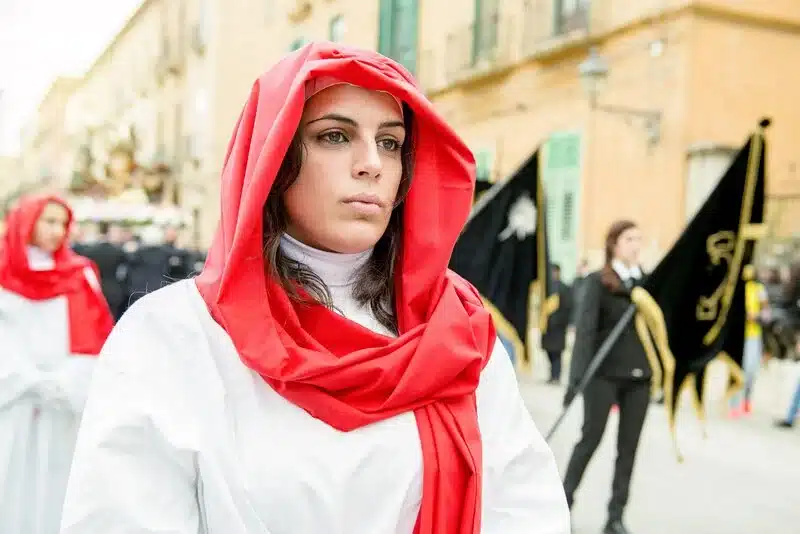
Trapani’s misteri is a 24-hour procession beginning on Good Friday (April 3rd, 2026). Twenty massive wooden sculptural groups representing the passion are carried through the streets by massari (porters) who move with a rhythmic, swaying step.
The history
Established in the late 16th century under Spanish rule, these 20 misteri are masterpieces made from wood, canvas and glue.
For over 400 years, various confraternities and local artisan guilds have maintained these statues. Today, the Maestranze Union oversees the role and organization of the procession.
The event
At 2pm on Good Friday, the sculptural groups leave the Church of Purgatory, carried on the shoulders of the porters.
⏩️ If you visit in 2026, find a spot near the church to see the uscita (the exit).
Brass bands playing funeral marches accompany the procession before it travels towards the main streets of the city. This continues for almost 24 hours and without interruption.
People gathered on the streets at night with the noise of drums and torches in the background is something unique.
Most of Trapani’s city center becomes impassable for cars during the misteri. Wear comfortable shoes and prepare for a very long night.
For more inspiration on where to go between processions, see my full guide to the 27 most beautiful places in Sicily.
Iglesias, Sardinia: The Procession of the Descenso
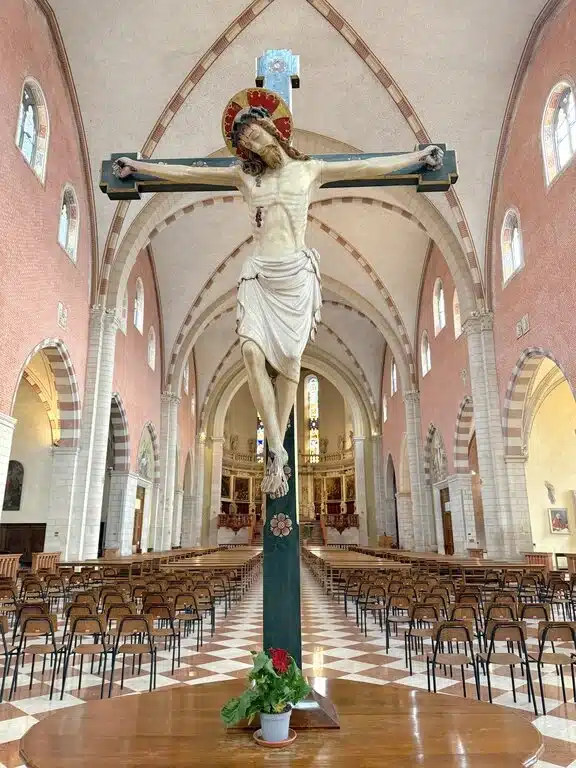
Sardinian Easter rituals are a blend of Spanish and local traditions. In Iglesias, the Descenso on Good Friday evening involves masked baballottis in white robes and hoods carrying a dead statue of Christ in a funeral procession. The procession feels more like a medieval ritual than a modern holiday.
The history
These rites date to the late 17th century (roughly 1616), heavily influenced by Spanish baroque religious theater.
The Santo Monte brotherhood has been organizing this event for centuries, preserving the costumes and movements for over 300 years.
The event
On the evening of Good Friday, the atmosphere is heavy with the sound of matraccas to recreate the burial of Christ.
These wooden ratchets create a deafening noise to replace the church bells, which are silenced in mourning.
Iglesias is transformed into a stage of devotion and tradition, involving the local community and visitors arriving from across Sardinia.
Prizzi, Sicily: Il Ballo dei Diavoli (The Dance of the Devils)
In the high-altitude Sicilian town of Prizzi, residents dress as red-clad devils and a yellow-clad Death on Easter Sunday. They roam the streets 'trapping' souls and demanding money or sweets until they’re finally chased away by the statues of Christ and the Virgin Mary.
The history
Il Ballo dei Diavoli (Sicilian: U ballo di Diavuli) is one of those rare Italian traditions where old-school pagan roots and Christian beliefs overlap. It’s basically a tug-of-war between the end of winter and the rebirth of spring.
No one knows exactly when it started, but it’s been the heart of Easter in Prizzi for centuries. For me, it feels more like an ancient Greek tragedy than a standard church service.

The event
This is a lighter side of how to celebrate Easter in Italy. It’s rowdy, theatrical and a bit chaotic.
If you’re in Sicily for Easter in 2026, Prizzi offers an experience-first memory that generic guides overlook.
Just be prepared to 'pay' the devils a few Euros for your freedom!
Bormio, Lombardy: I Pasquali di Bormio
High in the Alps, Bormio celebrates with I Pasquali: elaborate, handcrafted sedan chairs adorned with religious scenes and flowers. Carried by locals in traditional alpine dress, these floats are judged in a mountain-wide competition on Easter Sunday.
The history
This tradition originated over 600 years ago from ancient pastoral rites where lambs were blessed for the spring.
Since 1932, it has transformed into its current artistic form of allegorical floats carried on the shoulders of the Pasqualisti.
The event
Easter in Bormio is the perfect place to enjoy snow-capped peaks with your Easter eggs.
At 10am on Easter Sunday, people begin lining the town’s streets to watch the parade.
Women, the elderly and children, all dressed in traditional costumes, carry flowers and small decorations.
The townsfolk take months to build their Pasquali to create masterpieces of woodwork and floral design.
It’s a bright, colorful contrast to the more somber processions of the South.
Rome: Via Crucis at the Colosseum
On Good Friday evening, the Pope leads the Way of the Cross (Via Crucis) procession at the Colosseum. Using torches to light the arena, the event follows the 14 stations of the Passion, creating a spiritually significant spectacle.
The history
While the concept of the Stations of the Cross is medieval, Pope Benedict XIV established the Colosseum ceremony in 1750. It was revived in its modern, globally televised form by Pope Paul VI in 1964.
The event
It’s by far the most touristy spot on the list, but you can’t argue given the sheer scale of it.
On Good Friday, the Colosseo Metro station usually closes around 1pm or 2pm for security.
Don’t try to get into the cordoned-off area unless you have a ticket. Tickets are free, but you must request them months in advance from the Prefecture of the Pontifical Household.
Where to watch Via Crucis without a ticket
There are several places from which you can watch the Way of the Cross in 2026.
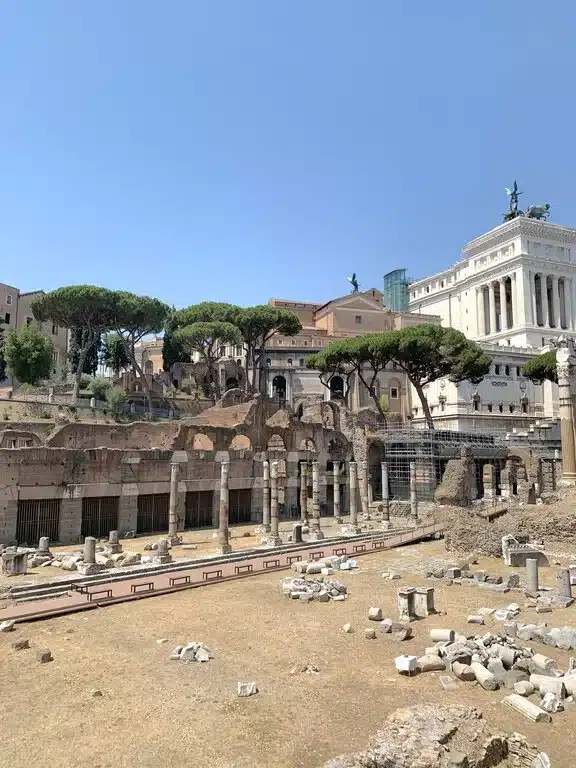
One of them is from the hills of Via dei Fori Imperiali. They usually set up giant screens where everyone can watch the event.
The other two spots are from elevated positions just moments from the Colosseum. Climb the steps by the Colosseum metro station to reach Nicola Salvi or Largo Gaetana Agnesi around the corner.
From this height, you can see over the security barriers and crowds. Watch the torchlit procession and the Pope (or the cross) at the Temple of Venus and Rome.
Even for non-religious spectators the sight of the Colosseum glowing under torchlight is unforgettable.
Budget for Easter 2026
Traveling during Holy Week in 2026 comes with specific festivo price increases.
As a resident, I’ve seen costs for accommodation and dining rise by roughly 15 to 20% compared to standard April dates.
Average 2026 cost breakdown (per person/day):
- Accommodation (mid-range): €120 to €180 (expect higher prices in Rome/Florence).
- Easter Sunday lunch (fixed menu): €45 to €85 (booking is mandatory).
- 2026 tourist taxes: Rome has increased city taxes to up to €10 per night for luxury stays while Venice has expanded its €5 entry fee for peak Easter days.
- New 2026 fees: starting February 2026, there’s a €2 access fee to reach the basin of the Trevi Fountain. Have small change to hand or your contactless card ready.
What is open in Italy during Easter Week?
On Easter Sunday and Monday (April 5th and 6th, 2026), all government offices, banks and many non-tourist shops will be closed. While major museums in Rome and Florence remain open, the Vatican Museums are strictly closed on both days.
If you’ll be in Italy in Easter and plan on dining out on Easter Sunday, make sure to book ahead.
Many tourists make the mistake of assuming they can turn up to a good restaurant for lunch on Easter Sunday.
In Italy, Easter lunch (il pranzo di Pasqua) can be a four-hour marathon of traditional Easter dishes. If you don't have a reservation, you might be left eating a sad panino.
Another thing to note is that Easter 2026 takes place in early April (5th). Given the time of year, many seasonal coastal restaurants might still be closed. Restaurants and trattorias in city centers won’t likely face the same constraints.
Pasquetta: the most fun day in Italy in Easter
Easter Monday, known as Pasquetta (little Easter), is a national holiday dedicated to the one you want. While many head to the countryside for a picnic (scampagnata), many Italians prefer lunch at a friend’s home. It’s a day of transition from the formal family rituals of Sunday to a relaxed celebration with friends.
If Easter Sunday is the day of official family obligations, Pasquetta is the day to spend with friends.
There’s a famous Italian saying: 'Natale con i tuoi, Pasqua con chi vuoi'. It translates to ‘Christmas with your family, Easter with whomever you want.’ This is the spirit of Pasquetta.
The house get-together reality
While some guidebooks often romanticize having a picnic on the grass, many of us locals have simpler plans for Pasquetta.
The logistics of planning a scampagnata, the traffic, the wind and the search for a grill is too much work. Instead, we prefer having relaxed get-togethers at a friend’s house.
This is what a typical Pasquetta looks like for us.
A long lunch
The best part of Pasquetta is looking forward to a long and lazy lunch. It’s a multi-course affair that usually starts at 12.30/1pm and can go on until first aperitivo.
Unlike a fixed menu of Easter Sunday, Pasquetta lunch is often a potluck style where everyone brings a specialty.
One of the most authentic Italian Pasquetta traditions is to eat frittata di maccheroni or torta di riso. (See my full guide to the best Italian Easter food traditions).
The recipe is simple: take the leftover pasta from Sunday and mix it with eggs and cheese. Once ready, it’s fried into a thick, delicious cake that you can eat hot or cold.
During one Pasquetta, the weather was so good that one of our friends hosted a barbecue.
Being in the north of Italy, we devoured a selection of salamella (sausages), spiedini di carne and polenta.
It was a delicious affair and one that I hope our friend hosts again in the future!
Ultimately, spending Pasquetta at a friend’s house has many benefits. There’s no need to worry about the fickle Italian spring weather or the awful Pasquetta traffic. It’s probably one of the worst traffic times of the year as everyone tries to return from the countryside.
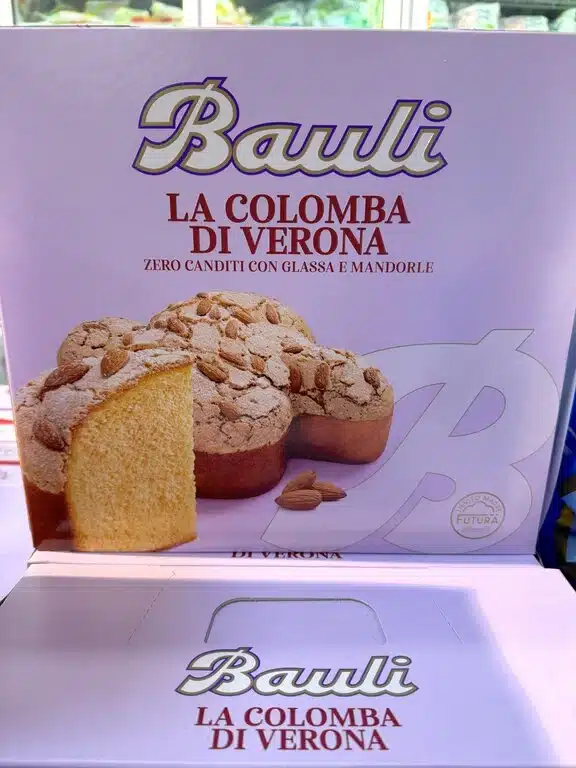
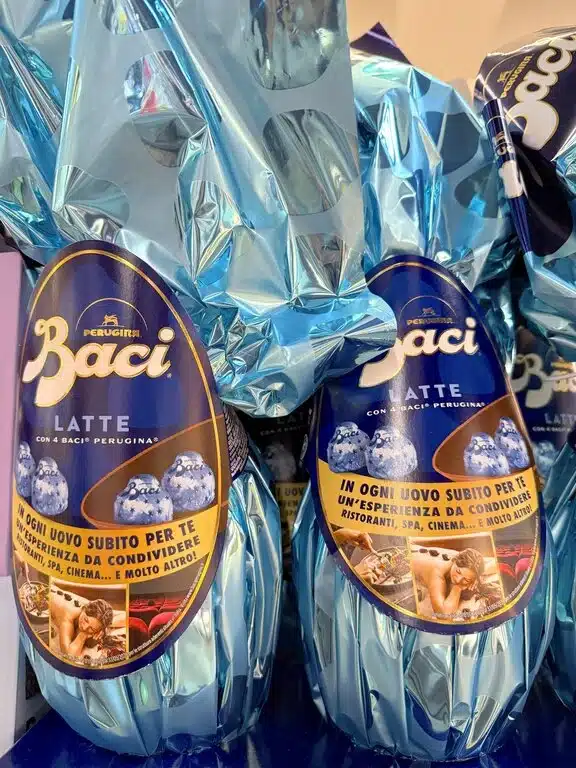
📌 Resident tip: If you’re invited to an Italian’s home for Pasquetta, never show up empty-handed. Bring a Colomba cake (preferably good quality!) or a tray of pasticcini from the local pasticceria.
⏩️ Read my deep dive on how to celebrate, and survive, Easter Monday in Italy.
FAQs
Yes, most state-run museums and archaeological sites, including the Colosseum and Pompeii, are open on Easter Sunday 2026. However, the Vatican Museums and Sistine Chapel are closed on both Easter Sunday and Easter Monday (Pasquetta). Always check individual site websites for 2026 festivo (holiday) hours before visiting.
No, Good Friday is not a public holiday in Italy. Shops, offices and banks remain open during normal business hours and it’s not a giorno festivo. The day is marked by evening processions, such as the Via Crucis in Rome, but the primary holiday closures do not begin until Easter Sunday.
Yes, Italian trains and buses run on Easter, but they follow a festivo (holiday) schedule with significantly fewer runs. High-speed trains like Frecciarossa continue to run, but regional buses in areas like Sicily and Tuscany may be non-existent.
Most supermarkets and local grocery stores are closed on Easter Monday (Pasquetta), though some in major cities may open for limited morning hours. If you’re planning a traditional Pasquetta picnic, buy your supplies by Saturday afternoon.
The dress code for Italian Easter mass services requires shoulders, knees and midriffs to be covered. Even for outdoor events like the Pope’s Urbi et Orbi blessing, security will enforce these standards.
Yes, you should book your Easter Sunday lunch (pranzo di Pasqua) at least 2 to 4 weeks in advance. The best local trattorias will be fully booked long before the holiday weekend begins.
Many Italians usually serve agnello (lamb) roasted with rosemary. You'll also see colomba di Pasqua, a dove-shaped sweet bread topped with pearl sugar.
final thoughts
What are your thoughts on this guide on how to celebrate Easter in Italy? Which of these traditions and places would you most like to see? Let me know in the comments below.
Disclosure: This post may contain affiliate links, which means I may receive a commission if you click a link and purchase something that I’ve recommended. Thank you for your support.
Written by Lisa Rivera: Italy traveler and resident for 10+ years. First-hand researched for 2026.
Like this post? Pin it!




Comments
No Comments