
7 best Italy destination dupes
Last updated on June 1st, 2026.
If you’ve been looking at Italy for 2026, you’ve likely noticed a change.
The country is exhaling after a busy few years having hosted the 2025 Jubilee and the 2026 Winter Olympics.
With accommodation prices and train crowds at an all-time high, the usual ‘golden triangle' route is feeling the strain. Right now, visiting Rome, Florence or Venice feels less like a getaway and more like a logistical puzzle.
But Italy is far from full.
In this guide, I’ll be sharing my 7 top Italy destination dupes.
These ‘dupes’ offer the same cultural weight as their famous neighbors but without the industrialized tourism feel.
This guide isn't about compromising where you want to go. It’s about finding an authentic, slower alternative in Italy that still exists.
2026 Italy dupe guide: at a glance
| Famous city/region | The 2026 dupe | Why it's the better move | The resident's tip |
| Venice | Treviso | 40% cheaper hotels, canal system, no entry fees | Try any dish with radicchio rosso di Treviso in winter |
| Lake Como | Lake Orta | Car-free village, 1hr 20mins by car from Milan | Walk the 'Path of Silence' on Isola San Giulio and keep quiet! |
| Florence | L'Aquila | 2026 Italian Capital of Culture, 300+ free events | Take the bus, not train, from Rome |
| Amalfi Coast | Salerno | Bypass Naples via QSR Airport, a high-speed train stop | Take the Travelmar ferry to visit popular towns |
| Milan | Turin | 70% cheaper 4-star stays | Try a bicerin at Caffè Al Bicerin |
| Rome | Orvieto | 90 minutes from Rome, car-free town | See Luca Signorelli's frescoes for a fraction of the price of the Sistine Chapel |
| Cinque Terre | Tellaro | €2 bus vs. €32.50 train card, no hiking fines | Swim in the hidden cove next door in Fiascherino |
Should you visit Italy in 2026?
The short answer is yes, but you need to be realistic about where you’re staying.
Even though the Winter Olympics and the Jubilee are behind us, the 'hangover' is real.
Hotel rates in the major cities haven't yet dropped back to normal levels. To find the authentic, affordable side of the country, you have to look past the usual places.
These 7 Italy destination dupes will feel more like a vacation rather than having to battle with crowds and high prices.
Use this guide to help plan your Italy trip.
Jump to:
- 1. Treviso: the Venice alternative
- 2. Lake Orta (Lago d’Orta): the Lake Como alternative for slow travel
- 3. L'Aquila: 2026 Italian Capital of Culture vs. Florence
- 4. Salerno: the new Amalfi Coast gateway (QSR Airport)
- 5. Turin: the affordable Milan alternative
- 6. Orvieto: the vertical alternative to Rome
- 7. Tellaro: the lesser-known Cinque Terre dupe
- Train travel tips for visiting the best Italy destinations dupes
- FAQs
- 💬 Comments
1. Treviso: the Venice alternative
Treviso is the most practical dupe for Venice.
While the lagoon continues to struggle with over-tourism and rising entry fees, Treviso is the opposite. It’s a residential and sophisticated base with a similar medieval canal aesthetic but without the Venice crowds.
For 2026, the Venice Access Fee has increased to €10 for late bookers (less than 4 days prior to your visit). Staying in Treviso means skipping this fee entirely (as long as you don't visit Venice from April to July.
If you want to experience a northern Italian lifestyle over a high-pressure sightseeing tour, Treviso is the superior choice.

It makes an ideal logistical base (Venice being around 30 minutes by train; Treviso Airport 9 minutes by car).
Unlike many places in Venice, the food quality in Treviso hasn’t been diluted for tourists.
Having been 3 times, we’ve chowed down everything from a quick mozzarella in carozza to a traditional meal.
Treviso is also the birthplace of tiramisu, which in itself warrants a visit. The center of the Prosecco hills, we've enjoyed many glasses in a busy piazza without having to fight for space.
Visit Treviso in winter and you’ll find one of the city’s (and region’s) best specialties: radicchio rosso di Treviso. Its deep red leaves offer a satisfying crunch, something you won't likely find on the tourist menus of the Rialto.
At home, we like it as a simple salad with olive oil and balsamic vinegar or sauteed in the pan.
📌 Lisa's tip: visit Isola della Pescheria (fishermen island) to browse its fish market.
It sits on a river island created in the 19th century and is surrounded by functional ancient waterwheels. It’s a great opportunity to see a historic market operating at a local, rather than performance, scale.
⏩️ Read more of the best things to do in Treviso
What I wish I knew
You can easily feel trapped by the sheer volume of people in Venice. In Treviso, you get the same charming canal aesthetic without the masses.
Like many less-touristy cities across Italy, many shops in Treviso observe riposo, closing around midday or 12:30pm.

Transport and logistics
Treviso Airport (TSF), often marketed as Venice-Treviso, is actually easier to navigate than most people expect. It’s about 10 minutes to reach the center by car (if there’s no traffic).
Alternatively, you can grab the Airlink bus-to-train connection which takes around 15 to 20 minutes.
If you still want to see Venice, the Venezia-Treviso regional line is the most reliable way to get there. It takes around 30 minutes and costs less than €5. It means you can avoid any potential strike (sciopero) risks plus the traffic, and crowds, of Piazzale Roma.
Treviso vs Venice
| Feature | Treviso | Venice |
| Costs | Estimated 40% cheaper: high-quality hotels for a fraction of the price. No entry fee | Very expensive near the center. €10 entry fee for day-trippers on peak 2026 dates |
| The crowd | Local and residential. You can actually find a seat in a busy piazza | Over 30 million tourists a year. Narrow streets are at a standstill during peak periods |
| The food | Home to real tiramisù and the famous red radicchio | Many spots near the Rialto serve tourist menus with frozen ingredients |
| The vibe | Walkable city with canals but no theme park feeling | Beautiful and inspiring but can often feel like a crowded museum |
2. Lake Orta (Lago d’Orta): the Lake Como alternative for slow travel
Now that the 2026 Winter Olympics in Milan and Cortina have wrapped up, Lake Como is feeling the post-games squeeze. Between the Olympic aftermath and the wave of spring travelers hitting the major lakes, hotel prices are at a premium.
If you’re looking for that iconic alpine lake minus the celebrity price tags and gridlock, Lake Orta is the answer.
Known as la Cenerentola, it offers a car-free, slow travel experience that’s rare in the high-traffic north.

The best part about Orta is that it's compact and everything centers on the walkable village of Orta San Giulio. It means you don't have to spend your vacation behind the wheel of a rental car navigating narrow lake roads.
Explore its cobblestone streets and follow in our footsteps by trying a traditional bagna cauda in a cozy wine bar.
⏩️ Read: 10 best things to do in Orta San Giulio
Take a boat from Piazza Motta to the picturesque and peaceful Isola San Giulio in the heart of Lake Orta.
Time pending, walk up to Sacro Monte di Orta, a UNESCO site with 20 chapels dedicated to St. Francis of Assisi. Compared to Lake Como’s ticketed and timed gardens, it's a world away from the influencer queues at Villa del Balbianello.
Enveloped in Piedmontese tradition, Lake Orta is perfect for travelers who prefer dining at local osterie over 5-star resort bars.
📌 Lisa's tip: order a tagliere with Toma del Mottarone. This straw-yellow mountain cheese is produced in the foothills just above the lake.
What I wish I knew
The 'Path of Silence' (Via del Silenzio) on Isola San Giulio is more than a name; it’s a respected local tradition. If traveling with a group, keep voices to a whisper.


Transport and logistics
Driving from Milan to Lake Orta takes around 1hr 20mins. While road traffic in the lake corridor can be unpredictable, a motor vehicle is the quickest way to get there.
Stay in the pedestrian-only historic center to avoid the parking scarcity and the ZTL (Zona Traffico Limitato). Orta San Giulio is a strict ZTL and ignoring the signs can land you with a hefty fine.
Instead, park in a covered (and paid-for) lot like the Multi-storey Car Park Diania and walk down.
⏩️ See: Tuscany ZTL fines guide
A car-free way to reach the lake from Milan is by train. It’s a journey for the patient traveler given that it takes around 2.5 to 3 hours.
Orta-Miasino is the closest station to Lake Orta. Note that it’s about a 15-to-20-minute downhill walk to the village center and there are rarely taxis waiting. Be sure to pack light or arrange a taxi pickup (using one of these best Italy apps) in advance.
Lake Orta vs. Lake Como
| Feature | Lake Orta | Lake Como |
| Getting there | A 20-minute walk from the train station keeps the tour buses away | Very easy to reach by train but the stations and ferries are constantly packed |
| The crowd | You’ll see more residents than influencers | Expect crowds and a very high influencer presence |
| The vibe | Spiritual and peaceful, especially on the Path of Silence | Glamorous with a ‘see and be seen’ vibe |
| The saving | Get the same alpine panorama views for free at Sacro Monte | You’ll likely pay €40 to €60 for a short, shared boat ride to see the villas (with an audioguide) |
3. L'Aquila: 2026 Italian Capital of Culture vs. Florence
If you want to visit Florence for the art and not the crowds, L'Aquila is the most important 'dupe' of 2026.
As the official 2026 Italian Capital of Culture, it’s undergoing a massive cultural renaissance.
L’Aquila is filled with baroque architecture and renaissance palazzos that were meticulously restored following the 2009 earthquake.
The real star is the Basilica di Santa Maria di Collemaggio with its striking pink-and-white limestone facade. Because the piazza is so large, you can step back and admire it without someone's selfie stick blocking your view.

While Florence deals with record-breaking crowds, L'Aquila provides a congestion-free open-air stage.
In 2026, it’s hosting an initiative called 'Palazzi Aperti'.
One Sunday a month, private noble homes and courtyards that are typically closed will be open to the public. Palazzo Alfieri and Palazzo Cipolloni-Cannella are among some of the buildings opening their doors.
If visiting Abruzzo in Easter 2026, consider visiting the town of Sulmona to see the 'Madonna che Scappa'. It's one of 7 unique traditions in Easter in Italy and one that brings the entire community together on Easter Sunday.
In summer, I Cantieri dell’Immaginario festival will likely return on selected dates in July and August. The event transforms the historic center into a map of live theater, music and dance performances.
📌 Lisa's tip: look for dishes with saffron from Navelli (the 'red gold' of Abruzzo) or a pasta called chitarrina rosa con pallottine. This dish consisting of thin egg pasta with tiny meatballs is an Abruzzo delicacy.
What I wish I knew
Regional train schedules in Abruzzo don’t follow the same frequency as the larger urban routes.
Download a train app, like Trenitalia, and cross reference it with the TUA Spa timetables. Buses often fill the gaps that trains leave behind.

Transport and logistics
Don’t take the train from Rome. While it’s only 71mi (114km) to reach L’Aquila, the bus is much easier.
Take a direct bus (TUA Spa) from Rome's Tiburtina station, where the journey roughly lasts 1.5 to 2 hours. Tickets range from Tiburtina costs €9 to €13. It’s a bargain compared to the Rome to Florence Freciarossa trains, which cost €50+ for a standard class ticket.
From Rome Fiumicino Airport (FCO), there are direct buses that travel to L'Aquila. Services like Flixbus and Roma Linee will get you there in approximately 2.5 hours. This allows the possibility to skip Rome entirely if you want to head straight to the mountains.
L'Aquila vs. Florence
| Feature | L'Aquila | Florence |
| Why go in 2026? | Capital of Culture: it’s hosting 300+ events, including the Palazzi Aperti tours of private noble homes | Famous for the Uffizi and Duomo, but struggling with massive crowds and long lines |
| Transport | Skip the train and take a direct 90-minute express bus from Rome to bypass the traffic | Great train connections, but the station is busy and the center is often gridlocked |
| Cost | Luxury stays are affordable and many 2026 cultural events are free to enter | High hotel taxes (up to €8/night) and expensive entry fees for almost every site |
Map: Italy destination dupes 2026: the resident's map to avoiding crowds
4. Salerno: the new Amalfi Coast gateway (QSR Airport)
Though the 2025 Jubilee is over, the aftermath on the Amalfi Coast lives on. Due to sky-high tourist numbers, the scenic, yet narrow, SS163 road has strict traffic caps to prevent gridlock.
One such cap is the alternate license plate system (see box below).
License plate system for the Amalfi Coast
The rule is simple, but annoying. If your rental plate ends in an odd number, you’re banned from the coastal road on even-numbered dates. For license plates ending in even numbers, you're banned on odd-numbered dates.
Since you won't know your plate until you’re at the rental desk, it makes planning a driving day almost impossible.
The alternate license plate system was re-introduced in 2023 as a way to prevent the SS163 road from 'breaking'. Because the coastline is a single, narrow lane carved into a cliff, it can’t handle the volume of modern SUVs and rental cars.
For more on this subject, my Amalfi Coast travel guide covers this, and other tips, in greater detail.
The road issue, among others, affecting the Amalfi Coast makes way for another worthy alternative: Salerno and the Cilento Coast.

A trending destination for 2026, Salerno offers a 'lived-in' southern Italian experience without the Amalfi Coast prices.
It’s also a gateway to reach the lesser-visited Cilento Coast. The rugged, UNESCO-listed region is home to the best Mozzarella di Bufala and impressive ancient Greek temples in Italy.
Paestum, home to some of the world’s best-preserved Ancient Greek sites, is around 45 minutes by car. By train takes about 38 minutes, costs €3.4* and is within walking distance of the temples.
If you’re looking for a good nightlife scene, Salerno makes an ideal 'noctourism' dupe for the Amalfi Coast. It has a lively, late-night promenade culture without the tourist prices.
What I wish I knew
Rather than buying limoncello on the Amalfi Coast, I wish I’d brought home some Colatura di Alici di Cetara. It’s a fermented anchovy sauce that adds a pungent punch to pasta dishes.
My husband and I are both foodies, and we would have used this a lot in our home cooking.

Transport and logistics
Salerno Costa d'Amalfi Airport (QSR) is a 17-minute drive from the center. This means you can bypass the chaotic transfer from Naples Capodichino International Airport.
Beginning May 22nd 2026, Italian carrier, Aeroitalia, will operate 19 weekly flights connecting Salerno to Milan-Malpensa, Turin, Genoa and Trieste. The airline also confirmed Milan-Malpensa will have two daily flights (morning and evening) to capture the business and weekend-break crowd.
Ferry vs road: the road between Salerno and Amalfi is typically prone to heavy congestion. A stress-free alternative is to take the Travelmar ferry from Salerno Concordia (ferry terminal), which takes 35 minutes. It’s the most reliable way to see the coast without getting stuck in traffic.
By rail: Salerno is a primary stop for the Frecciarossa and Italo high-speed trains. Reach Naples in 48 minutes or Rome in 1.5 hours.
Salerno and the Cilento Coast vs the Amalfi Coast
| Feature | Salerno | Amalfi Coast |
| Infrastructure | Salerno has surpassed Sorrento as the most accessible coastal city due to the Salerno Costa d'Amalfi Airport (QSR). Travelers can bypass the Naples transit bottleneck and travel directly to the Cilento Coast | Reliant on the SS163, a single-lane cliff road. Infrastructure is at a breaking point with mandatory alternate license plate caps for rentals. |
| Costs | A mid-range hotel in Salerno’s historic center averages €110 to €140* per night. Dining is priced for locals (€8 to €12 for a seafood pasta) | Similar stays could exceed €300 to €400*. Prices are heavily inflated for the tourist menu economy (€25 for the same pasta) |
| Transport | High-speed rail stop provides a significant advantage over the Amalfi Coast towns. Use Travelmar ferries like a water bus to visit the region by day and retreat to the affordability of Salerno at night | No rail access. Visitors must use overcrowded SITA buses or private drivers from Naples |
5. Turin: the affordable Milan alternative
The Winter Olympics have officially ended but the Olympic ripple in Milan isn’t yet over.
Hotel rates in Milan peaked at an average of €480 to €516* per night in February 2026, a massive 103% increase.
In contrast, Turin offers 4-star hotels in the historic center for €95 to €120*, despite being only 45 minutes away by high-speed rail.
Having hosted the 2006 Games, Turin already has the infrastructure and a royal atmosphere (it was Italy’s first capital).
While Milan is the financial and fashion engine of the country, it can feel a bit rigid.
Turin, on the other hand, feels like a blend of Paris and Vienna, with wide boulevards and historic residences.

Turin has a lot of claims to fame that you might not know about. It’s the birthplace of Italian cinema and it’s also the original home of Fiat.
In 2025, the Egyptian Museum (Museo Egizio) celebrated its 200th anniversary. It’s the oldest Egyptian museum in the world and second only to Cairo in importance. While Milan’s galleries are currently packed, Museo Egizio offers a world-class experience that doesn't feel like a tourist trap.
When the sun sets over Turin, walk up to Piazzale Monte dei Cappuccini. The Balconata Giusto Gervasutti is ideal for admiring panoramic views of the city with the Italian Alps as a backdrop.
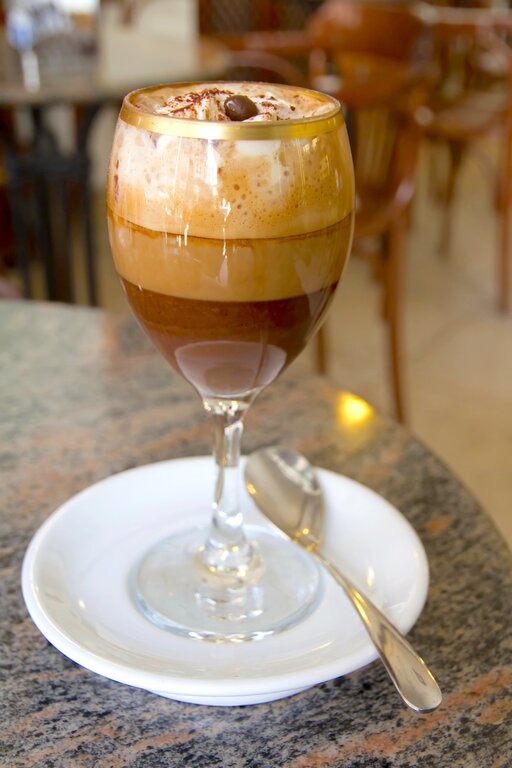
📌 Lisa's tip: instead of a €20 cocktail in Milan try a bicerin in Turin (around €8). It’s a layered drink of espresso, chocolate and cream that’s been a local staple for centuries.
Try a glass at the historic Caffè Al Bicerin. It’s been serving bicerin in the same spot and the same way since the 18th century. You’ll likely find a line outside but take it as a good sign and wait for your turn.
Turin vs. Milan
| Feature | Turin | Milan |
| Atmosphere | Regal and more relaxed. Wide boulevards, grand palaces and historic cafes | A fast-paced fashion and business hub that feels very modern |
| Best for | Slow travel, enjoying Belle epoque cafes with a mountain backdrop | High-end shopping, sleek rooftops and a fast-paced atmosphere |
| Cost | You can find great 4-star hotels for €120* a night | Prices are still high after the Olympics, often €480+ for basic rooms |
6. Orvieto: the vertical alternative to Rome
If you've spent any time in Rome, you’ll know that the city is physically exhausted.
Even with the major events of 2025 behind us, the sheer volume of people makes walking to a trattoria feel like a sport.
For a calmer, but equally enriching experience, head 90 minutes north to the Umbrian town of Orvieto.
You can spot it from miles away, perched on top of a massive volcanic cliff. Because of that topography, it’s hard for large tour buses to clog the center. Orvieto is a slow travel destination by design.
Its main street is pedestrian-friendly and the town’s biggest sights, the Duomo and Orvieto Underground, are within a 10-minute walk of each other. Prices reflect a local economy over a tourist one and Umbrian white wine country is a mere stone’s throw away.

Instead of fighting for a spot in the Sistine Chapel, pay €8* to enter the San Brizio Chapel inside Orvieto Cathedral.
Luca Signorelli’s ‘Last Judgement’ frescoes were a direct inspiration for Michelangelo’s work in Rome. Here, you can actually view them without being elbowed by tour groups.
Consider staying overnight instead of doing a rushed day trip – if possible. It gives you the chance to experience the best things to do in Orvieto without feeling like you're on a countdown to the last train.
The city changes after the day trippers leave. We stayed to see the golden light hit the Duomo mosaics and it was easily the highlight of our trip.

Transport and logistics
The train from Rome Termini or Tiburtina takes approximately 70 to 80 minutes, and tickets range from €10 to €18. It’s a low-stress trip and you usually don’t need to book weeks in advance.
When you arrive at Orvieto train station, ignore the taxis waiting outside. Instead, cross the street to ride the funicular for €1.30. It drops you by Piazza Cahen in Orvieto’s center in just 5 minutes.
Buy an Orvieto Link ticket through the Trenitalia app, which combines your train and funicular fare into one QR code. It’s less time faffing around with the ticket machines at the base of the hill and more time exploring Orvieto.
Orvieto vs. Rome
| Feature | Orvieto | Rome |
| Accessibility | Pedestrian-first: naturally limited by its cliffside topography. The €1.30 funicular acts as a transit filter, keeping the historic center 90% car-free. | Dense network of Metro, trams and buses and frequently affected by roadworks and high-volume pedestrian congestion. |
| Vibe | Cittaslow certified: part of the International Slow Food/Slow City movement. Density is low, you can walk the entire center in 20 minutes without crowds. | The big three sites (Colosseum/Vatican/Trevi) are at maximum capacity with high-pressure tourist trap commerce |
| Cultural value | Home to the San Brizio Chapel inside Orvieto Cathedral. Admire 15th century frescoes by Signorelli for €8 with zero wait times | Home to the Vatican Museums. Bookings require an average of 60 day in advance (without a guide) and tickets cost €20*. |
7. Tellaro: the lesser-known Cinque Terre dupe
If you’ve looked at Cinque Terre lately, you’ll know it’s becoming a victim of its own success.
In 2026, a 1-day Cinque Terre train card costs €32.5* for adults and €21* for children (4 to 11) during peak season (red) weekends.
That's not forgetting the crowded train stations and the mandatory footwear checks on hiking trails (see 3 surprising fines in Italy). All of this can make it feel less like a getaway and more like a logistical hurdle.
Tellaro is the answer for anyone who wants those pastel cliffside views without the mass-tourism infrastructure.
It’s officially one of the Borghi più belli d'Italia (Italy's most beautiful villages).
However, because it doesn’t have a train station, it stays off the radar for 90% of day-trippers visiting Cinque Terre.

Tellaro is located at the very end of the road on the Gulf of Poets. It has the same-colored houses and cliffs as Riomaggiore but the pace is dictated by locals not the tourists.
The best thing about Tellaro is that there’s no pressure to see anything. Stroll down the carruggi (alleys) down to the marina and grab a drink by the water.
If you have time, walk over to Fiascherino, Tellaro’s next door neighbor. It has a hidden cove that’s perfect for a quiet swim.
I wish I knew
One thing to keep in mind: the ferry from Lerici to Tellaro only runs from July 1st to September 1st.
If you’re here during those months, tickets range from €13 to €16*. It’s a total bargain compared to what you’d pay for a private boat tour in Vernazza.
Transport and logistics
Take a train to La Spezia Centrale, then hop on the local ATC bus to Lerici. From there, it’s a quick 13-minute shuttle ride to Tellaro.
It might sound like a lot of steps, but that’s what keeps the village from becoming overrun by tourists.
Tellaro vs. Cinque Terre
| Feature | Tellaro | Cinque Terre |
| Accessibility | The bus filter: no train station. Accessible by a 15-minute local bus from Lerici or a seasonal ferry | Easy train access but platforms are extremely crowded |
| Rules | No entry fees, no one-way paths and no trail wardens | One-way walking rules on main trails, fines up to €2,500 for flip-flops/sliders |
| Vibe | Pastel houses and rocky coves without the Disney-fied feeling | High-energy, but very crowded with day-trippers and tour groups |
| Cost advantage | Free access to all paths; local bus is only €2* | A 1-day train card costs up to €32.5* on peak Red Zone weekends |
Train travel tips for visiting the best Italy destinations dupes
Stick to regionale veloce trains for visiting cities like Treviso or Orvieto
These tickets have a fixed price, never sell out and don't require a reservation. You can buy them five minutes before boarding on the Trenitalia app.
Make sure to always validate your paper ticket
This is the number one way tourists get fined. If you’ve a paper regional ticket, you must stamp it in the green or yellow machines on the platform. Train inspectors aren’t lenient even with tourists.
When strikes happen
Train strikes (scioperi) are usually announced a few weeks in advance. The Orario Treni app is one reliable way to see real-time cancellations and strike announcements ahead of time.
The FrecciaLink
If you’re traveling between larger cities, look for FrecciaLink options.
Trenitalia operates buses that sync perfectly with train arrivals to get you to spots the tracks don't reach.
It’s often cheaper and much smoother than trying to coordinate a local bus on your own.

FAQs
It depends on where you go. Rome, Florence and Venice will always attract massive numbers while the rest of the country has more breathing room. By choosing dupe destinations like Treviso or Orvieto, you get a similar experience without gridlock and chaos.
Salerno is the best choice for 2026. With the expansion of the Salerno Costa d'Amalfi Airport (QSR), you can fly directly into the region and bypass Naples. From Salerno, you have high-speed trains and ferries to take you to famous coastal towns for the day. On top of that, you’ll pay around 60% less for your hotel.
The only way to avoid it is to not visit on weekends (daytime) from April to July, or to stay overnight. Another way is to stay in a city like Treviso. Hotels are cheaper than Venice, and you avoid the access fee entirely by visiting its own canal systems.
Yes. As the 2026 Italian Capital of Culture, L'Aquila is hosting over 300 events and is the best alternative to Florence right now. You get world-class art and the Palazzi Aperti (open palace) tours for a fraction of the price of Tuscany.
What are your thoughts on this guide to the best Italy destination dupes? Would you be open to swapping the heavyweight cities for these equally beautiful places? Let me know in the comments below.
Disclosure: This post may contain affiliate links, which means I may receive a commission if you click a link and purchase something that I’ve recommended. Thank you for your support.
Written by Lisa Rivera: Italy traveler and resident for 10+ years. First-hand researched for 2026.
*Information correct at the time of publishing.
Like this post? Pin it!

Italy is not in my itinerary for 2026, but I like the local tips you have here. Like, take the bus, not the train. Or, eat this at this restaurant. Things that make the trip easier and memorable.
Thank you, I'm glad that it is helpful
This is such a smart take on Italy right now. I love the idea of destination dupes that keep the culture and atmosphere but skip the overwhelming crowds and prices. Treviso instead of Venice and Lake Orta over Lake Como are especially great swaps. It proves you don’t have to give up beauty or history to travel smarter. Such a helpful guide for anyone planning Italy soon.
Thank you Agnes! It's one way to try to offset the problem with overtourism we have here