
How to plan a trip to Italy in 10 easy steps
Last updated on February 25th, 2026.

Planning a trip to Italy in 2026 can feel overwhelming.
From navigating the new Venice entry fees to deciding if a $10,000 budget is realistic for two, you’re not alone.
As a local (10+ years) living between northern Italy and Sicily, I’ve seen how the travel landscape has shifted. I'm sharing the exact strategies I use to navigate these changes so you don't have to guess.
This step-by-step Italy trip planner is your ultimate resource on how to plan a trip to Italy.
I’ll cover everything from a realistic 10-day itinerary and specific cost breakdowns for every budget level, to insider tips.
Even if you're hiring a travel agent, these steps will ensure you get the authentic, local experience that generic tour packages miss.
Trip planning at a glance
Best time to visit: May, June and September for ideal weather and manageable crowds.
Ideal duration: 10 to 14 days to cover the ‘golden triangle’ (Rome, Florence and Venice).
Daily budget: €200 to €350 per person for a comfortable mid-range experience.
Connectivity: use Airalo (data only) or Holafly (unlimited) eSIMs for instant 5G.
Top planning tip: book major attractions (the Colosseum, Vatican) 2 to 3 months in advance.
Local tip: Use regional trains for better prices and always validate your ticket before boarding.
Jump to:
- Step 1: what is the best time to visit Italy and how much does it cost?
- Step 2: how to choose where to go and what is the best 10-day Italy itinerary?
- Step 3: how many days do you need to see the best of Italy?
- Step 4: how to find the best flights and when to book them
- Step 5: where to stay in Italy: how to choose the right accommodation
- Step 6: what documents and travel insurance do you need for Italy?
- Step 7: what is the best way to get around Italy: train or car?
- Step 8: how to book tours and when to buy tickets for major attractions?
- Step 9: what to pack for Italy and what mistakes should tourists avoid?
- Step 10: what is on the ultimate Italy travel planning checklist?
- Essential Italy 2026 updates
- 💬 Comments
How do I plan my first trip?
Planning a vacation to Italy for the first time is a massive undertaking.
To avoid the 'analysis paralysis' I often see in travel forums, I developed the 3 'Ws' method. I discussed this system on the Wander to the Edge podcast and it’s the exact method I use to help my private consulting clients.
- When to go: balancing the new 2026 Venice entry fees against the best weather windows.
- Where to go: deciding between the faster pace of the north or the slower, coastal vibes of the south.
- What kind of trip: identifying if you’re a $5,000 value traveler or a $10,000 luxury seeker (see my full budget breakdown below).
This guide doesn't just give you a generic list. It provides a localized insider lens that'll help you to begin brainstorming your 2026 Italy itinerary with confidence.
Step 1: what is the best time to visit Italy and how much does it cost?
The best time to visit Italy is during the shoulder months of May and September, with a realistic daily mid-range budget of €200 to €350 per person covering hotels, dining and rail travel.
Knowing when to go to Italy will help to get the ball rolling in the planning process.
Would you prefer to travel during summer when good weather is the norm, though busier? Or escape the crowds and settle for cooler temperatures in winter or spring?
Personal circumstances and preferences will play a role in helping to answer this question.
Ultimately, knowing which month/s that you'd like to travel to Italy will help to streamline the planning process.
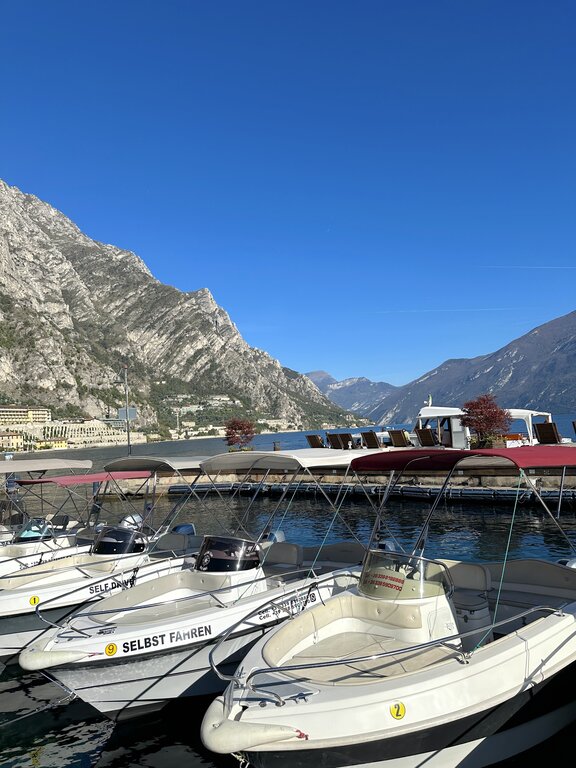
What is the best month to visit Italy?
A common question for many travelers is choosing between the heat of the high season or the lower costs of the off-peak months.
Here's a brief breakdown of what you can expect during the different seasons.
- Summer: hot to extremely hot in many places across Italy (except in the far north of the country). Large crowds and services like hotels and flights are more expensive.
- Shoulder season (April, May, October, November): our favorite time to travel. The weather is generally sunny and mild, plus you can find great value deals on flights and accommodation.
- Winter: colder temperatures and fewer crowds overall. While the north may have snow, southern Italy stays more moderate.
Times are a changing: a local's perspective
One of the biggest misconceptions is that the weather is always good in Italy.
And as a local, I can tell you that isn’t true.
Like the rest of the world, the weather here has become unpredictable. One example was our 3-day visit to Lake Como in late July. The rain and thunderstorms were some of the worst we'd ever experienced!
Because of this I advise to:
➡️ always check the forecast 1 week before you travel and have a Plan B ready, like a relaxing spa treatment.
➡️ pack travel essentials for Italy and clothing for any weather eventuality. If visiting Italy in summer, be prepared for the chance of rain and the occasional cool evening.
How much does a trip for two to Italy cost?
2026 Italy budgets for two people
For a 10-day trip, a $5,000 budget comfortably covers mid-range boutique hotels, train travel and dining at local trattorias. A $10,000 budget elevates the experience to 5-star luxury stays, private car transfers and fine-dining. Both budgets are realistic. $5k prioritizes value while $10k ensures a premium, all-inclusive feel.
The Italy trip cost will depend on your personal situation.
Younger solo travelers may have a more limited budget compared to a retired couple or families with children.
Most travelers fall somewhere in the middle.
A reasonable daily budget per person for food, transport, and activities is around €100 ($110/£86) on top of flights and accommodation.
Mid-range travelers can expect to spend between $125 (€105/£92) to $275 (€232/£202) per day (including accommodation, food and transport).
To help plan your 2026 budget, here's a breakdown of average daily costs for 2 people for 10 days.
| Expense (10 days) | Budget (per day/ person) | Mid-range (per day/ person) | Luxury (per day/ person) | Total for two (10 days) | 2026 planning tip |
| Accommodation | $60 to $90 | $125 to $275 | $500+ | $1,200 to 10k+ | Splitting one room/Airbnb significantly lowers the per-person cost |
| Meals | $30 to $45 | $60 to $130 | $250+ | $600 to $5,000 | Budget: street food/groceries. Mid: trattorias. Luxury: Michelin |
| Transport | $10 to $25 | $20 to $60 | $150+ | $200 to $3,000 | Budget: regional trains. Mid: high-speed rail. Luxury: private drivers |
| Activities | $15 to $30 | $30 to $80 | $150+ | $300 to $3,000 | Covers entry fees (Vatican/Uffizi) and varying levels of tour privacy |
| Totals | $115 to $190 | $235 to $545 | $1,050+ | $2,300 to $21k+ | The $5k vs $10k split: most couples land right in the middle at $7,500 (average) for a 10-day mid-range trip |
Is $10,000 enough for a trip to Italy?
Yes. In 2026, a $10,000 budget for two people allows for a 10-day luxury experience, including 5-star accommodations and private transfers.
The only exception would be traveling to Italy in August (or July). Higher prices means that a $10,000 budget might not cover everything.
Conversely, a $5,000 budget is good for a comfortable mid-range trip. Most couples spend an average of $7,500.

Should you book a package or plan it yourself?
Many travelers look at Costco Travel or Rick Steves Tours for convenience. Here’s how a DIY trip compares to these popular 2026 packages.
The Costco comparison
Costco packages are good for fly and drive or set resort stays often starting at $3,500 per person ($7k total).
While convenient, they often lock you into ‘tourist hub’ hotels not to mention they often lack the local authenticity. A DIY trip offers better hotels for the same price.
It also allows you to stay at historic palazzos or hidden Airbnbs that large aggregators can't access.
The Rick Steves comparison
Rick Steves offers 10-day tours averaging $4,800 per person but the trade-off is a rigid schedule.
DIY planning gives you the slow travel flexibility to spend an extra afternoon in a Tuscan vineyard if you choose. It’s also usually 20 to 30% cheaper than booking with a guided group tour.
The verdict
If you use the budget or mid-range tiers as listed above, you can save between $2,000 and $4,000 per couple. Instead of opting for a pre-packaged tour, you’ll have more money to spend on better wine and nicer hotels.
How to travel Italy on a budget
If you’re looking to save, consider visiting during the off-peak season (October to March).
Certain places in Italy can be cheaper and you'll notice a significant change in terms of cost and crowds. Book in advance and consider sticking to southern Italy.
As a general rule of thumb, things tend to cost less in the south. A family of 4 eating at a local pizzeria in the Campania region will be noticeably cheaper than dining out in Veneto.
➡️ See: Cheap places to visit in Italy

Other ways to plan a trip to Italy on a budget include:
- booking flights and accommodation in advance
- choosing B&Bs over hotels (depending on the destination)
- packing lunches for days out by visiting bakeries and supermarkets
- sticking to one or two destinations.
All-inclusive Italy packages
Another way you can potentially save money is by booking an Italy trip package.
Some Italy vacation packages can include flights, hotels and maybe even some top attractions.
Though we've never personally booked a package, we have stayed at all-inclusive family hotels.
They're not super common in Italy but they do exist. Take our stay at Dolce Casa Family Hotel & SPA in Moena in the Dolomites.

Our stay included accommodation, all meals plus merenda (snacks) and access to the swimming pools.
If these types of hotels suit your travel style, my guides on the best all-inclusive resorts in northern and southern Italy are worth a read.
The weather in Italy by season
Here's a brief breakdown of what you can expect during the different seasons in Italy:
| Season | Best region for 2026 | Weather reality | Pack this |
| Spring | Sicily and Puglia | Mild weather perfect for hiking | A light jacket, or shacket (large shawl) for chilly evenings |
| Summer | The Dolomites | Extremely hot in Rome, Florence and the south (95°F/35°C+), the far north is 10°C cooler | High SPF sunscreen and a handheld fan |
| Autumn | Tuscany and Piedmont | Ideal weather to see harvest season | Light leather boots or smart tennis shoes |
| Winter | Rome and Naples | Sunny but crisp clear skies | Thermal layers for outdoor dining under heat lamps |
See when is the best time to visit Italy for a more detailed breakdown. I provide a table of average temperatures for each season, along with pros and cons.
Step 2: how to choose where to go and what is the best 10-day Italy itinerary?
To choose where to go in Italy, first-time visitors should prioritize the 'golden triangle’ of Rome, Florence and Venice for a 10-day trip. Those with only one week should focus on a single place like Rome or Milan to minimize travel time and maximize local experiences.
Deciding where to go in Italy is probably my favorite part of planning a trip to Italy.
But, with so many beautiful cities, towns, villages and regions to see, the choice/s can be overwhelming.
That's why it's essential to set out a realistic itinerary.

Start researching different places in Italy and Decide the type of trip
Start by making a list of the places in Italy that you want to see.
Have a map of Italy to hand so that you can see exactly where each place is located. This will also be useful for seeing the (rough) distances between each destination.
My guides on the best places to visit in Italy and the best things to do in Italy can help kick start your research. Both are presented in a simple format and are full of fun ideas to suit all traveler types.
Another factor to consider is the type of Italy trip you want.
Are you keen to explore one or two Italian cities, or would you prefer to have a relaxing beach vacation?
Deciding this at the beginning will help to simplify the planning process.
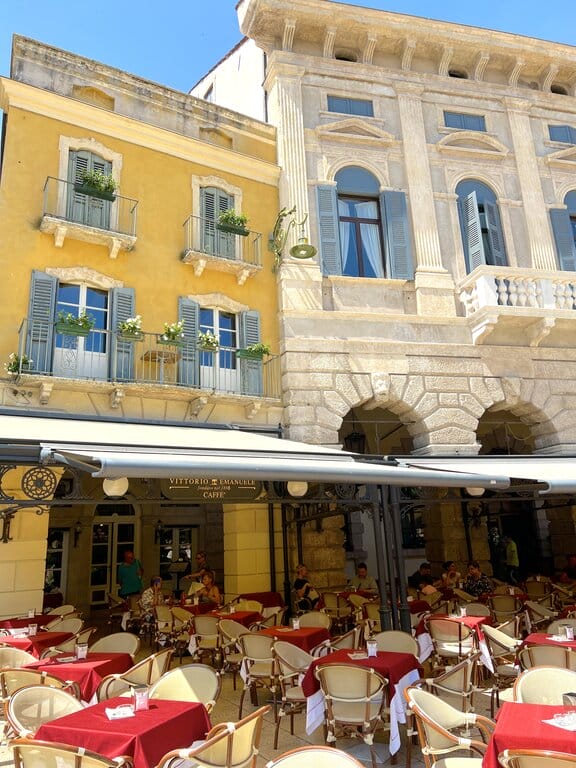
Most popular cities in Italy
As already mentioned, I usually suggest seeing the bigger cities in Italy for first-time visitors. There's plenty to do not to mention the many day trip options.
Add one or two of these popular cities to your travel plans for Italy.
- Rome
- Florence
- Milan
- Venice
- Verona
- Bologna
- Naples
- Turin
- Palermo
🎥 Watch: 4 beautiful cities in northern Italy that aren't Milan or Venice
Day trips outside the city
As mentioned above, visiting a big city means big potential for taking an Italy day trip. Below are some helpful guides that outline some fun day tripping ideas.
- 16 Milan day trips
- 11 Venice day trips
- 10 Palermo day trips
- 11 Sicily day trips
- Naples to the Amalfi Coast

Most popular regions in Italy
- Lazio (Rome)
- Tuscany (Florence, Siena, Chianti)
- Veneto (Venice, Verona, Lake Garda)
- Lombardy (Milan, Lake Como, Lake Garda)
- Liguria (Cinque Terre)
- Sicily (Palermo, Taormina, Aeolian Islands)
Most popular islands in Italy
Get a generous dose of vitamin D and sea by vacationing on one of these popular islands in Italy.
- Sicily (see 'most beautiful places in Sicily')
- Sardinia (see our 'south Sardinia road trip')
- Beautiful islands where Italians like to vacation
Italy itineraries
Crafting an itinerary is an important step in how to plan a trip to Italy. The below are some Italy itinerary suggestions from which you can create your own.
1 week (7-8 days) in Italy starting from Rome
- Spend 3 days exploring the best attractions in Rome. Mix up the attractions between well-known sights like the Colosseum with something unique like a Rome street food tour.
- Visit the Amalfi Coast from Rome. Opt to see one day in Sorrento or spend 1 to 2 nights in Positano or Amalfi.
- Take the high-speed Frecciarossa fast train to Naples. Spend one day in Naples visiting the city's best sights.
- Travel to Florence from Rome by train. Make it a day trip or opt to stay for 2 days in Florence.
1 week in Italy starting from Milan
- Allocate 2 to 3 days (your preference) to visit the best attractions in Milan.
- Visit Lake Como from Milan. Make it a day trip or choose to spend 1 to 2 nights.
- Travel to Venice. The Frecciarossa train will take around 2hrs 28mins from Milan to Venice. Allow 2 (or 3) days to get the most out of your trip.
Want to stick just to the north? My 1-week northern Italy itinerary lays out a simple, yet very doable, plan.

What is the most realistic 10-day itinerary?
Because 10 days is the most popular time-frame for first-time visitors, I recommend the ‘golden triangle’. It balances the big icons with enough time to actually breathe.
| Days | Location | Why it works |
| 1 to 4 | Rome | 3 full days plus an arrival day. You’ve time for the Colosseum and a food tour in Trastevere |
| 5 to 7 | Florence | Use day 6 or 7 for a quick day trip into the Tuscan countryside (see Siena or Lucca) |
| 8 to 10 | Venice | 2 full days to explore the city and to see an island like Murano or Burano |
📌 Local tip: for this 10-day route, book an 'open-jaw’ flight: fly into Rome and out of Venice. This saves you an entire day of backtracking on a train.
Map: realistic 10-day Italy itinerary: the golden triangle route
How to use this Italy trip map
This interactive map helps you to visualize your 10-day route. You can toggle the layers on and off using the legend icon in the top-left corner of the map.
Red star (must-see sights): big icons you can't miss like the Colosseum in Rome to the Duomo in Florence. Check the photo captions in the pins for official ticket links!
Blue train (transit hubs): major high-speed train stations (Roma Termini, Firenze SMN and Venezia Santa Lucia). Use these as your primary arrival and departure points.
Yellow diamond (places visitors usually miss): favorite local places like the Coppedè district in Rome; perfect for escaping the crowds.
Extra tip: Click on any icon to see a photo, travel logistics and my personal tips for that specific location. Click the star next to the map title to save this to your own Google Maps account.
My custom 10-day Italy route map covering the best things to do in Rome, Florence and Venice. Open this map in Google Maps to view on a full screen.
The southern Italy alternative itinerary
If you’ve already seen the big three or want to experience the south, this itinerary makes a perfect alternative.
Days 1 to 4: Naples and Amalfi Coast: base your stay in Sorrento. It’s the most logistical hub for reaching Pompeii (by train) and Positano (by ferry).
Days 5 to 10: Puglia: rent a car (see Step 7) and drive to the ‘heel of the boot'. Stay in a Trullo in Alberobello and visit the white city of Ostuni.
How do I choose between different italian regions?
Once you've decided on where to go in Italy, I'd advise not straying too far from your itinerary.
As a general rule, we like to spend a minimum of two nights in each place (three is even better for major cities). This minimizes time spent packing and maximizes time spent enjoying the piazzas.
To add a destination that's much further away, like Cinque Terre, requires more planning. For example:
- Rome to Cinque Terre by car: an average journey time of 5hrs 13mins.
- Rome to Cinque Terre by train: average trip of 4hrs 20mins.
By not cramming in too many places, you can fully enjoy the destination.
Instead of spending 5 hours in a car, you could be sipping on your second spritz Aperol or exploring a hidden leather shop in Florence.
🎥 Watch: What not to do in Italy
Step 3: how many days do you need to see the best of Italy?
To see Italy’s major highlights without rushing, you need a minimum of 10 days, while a comprehensive north-to-south trip typically requires 14 to 21 days.
Knowing how much time in Italy to spend will depend on individual circumstances.
Many visitors traveling from within Europe tend to spend a long weekend break or a week in Italy. The shorter flight times makes this more accessible.
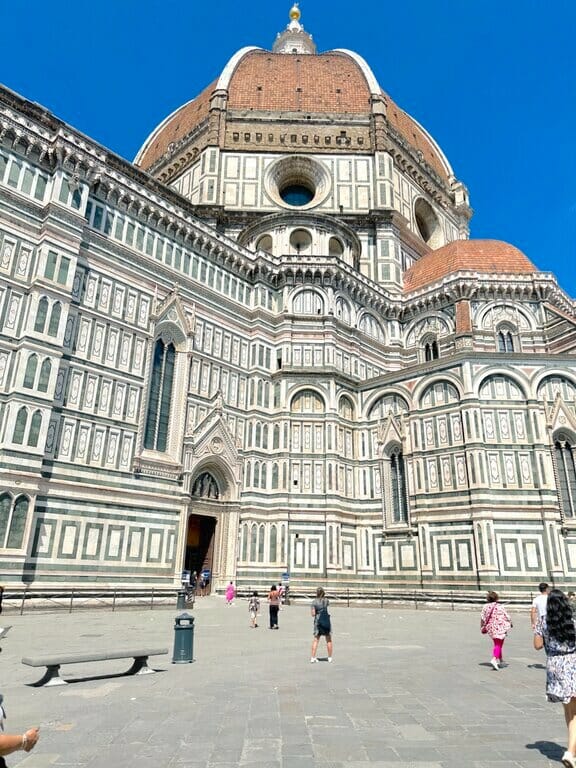
Travelers arriving from the US, Canada, Asia or Australia understandably prefer to book for a longer period. Two weeks (11 to 14 days) in Italy is standard for an Italian vacation.
Being clear about how many days you want to visit Italy will ultimately help you plan better.
How many days should you spend in each city?
To confirm your total trip length, you first need to know how many days the ‘big three’ cities actually require. Based on my experience living here, these are the most realistic durations.
- Venice (2 days): avoid visiting Venice on a day trip as much as possible (I say this as someone who lives nearby). Stay for at least two days to see the city without the cruise ship crowds. This gives you time for a sunset gondola ride and a trip to the colorful island of Burano.
- Rome (3 to 4 days): between the Colosseum and the Vatican, you need two full mornings for major sites. A 3-day stay is the minimum, but 4 days allows you to explore neighborhoods like Trastevere without rushing.
- Florence (2 to 3 days): Florence is walkable and compact. Two days is enough for the main galleries and the Duomo, but a third day is perfect for a quick day trip into the Tuscan countryside. See 'how to spend 2 days in Florence' for a simple itinerary.
Is one week in Italy enough to see the major sites?
One week in Italy is enough as long as you have planned properly and have a realistic itinerary.
For example, a 7 or 8-day Italy itinerary works well if you focus on just two cities (like Rome and Florence) or one specific region (like Sicily or Puglia).
However, if you want to see Rome, Florence and Venice together, aim for the 10-day mark to avoid spending your entire vacation on a train.
Map of Italy
Step 4: how to find the best flights and when to book them
To find the cheapest flights to Italy, book at least 3 to 6 months in advance and use ‘open-jaw’ tickets (flying into one city and out of another) to save time.
There's no concrete rule as to when you should book your flights to Italy.
If visiting from Europe, I'd say that 5 weeks in advance is sufficient. Flight deals within Europe tend to pop up regularly. For long haul flights, you'll generally find the best deals 6 to 12 months in advance.
The exception would be if you plan a trip to Italy during peak periods like summer or Christmas. In this case, I'd suggest 2 to 3 months (or longer) in advance.
Check which of the major international airports in Italy is closest to your destination before beginning your search.
I personally use Skyscanner or Google Flights to search for the best flight prices, but use whichever one you're familiar with.

The risks
Booking any flight well in advance comes with a certain risk. While it's highly likely you'll get a cheaper deal, you also run the risk of losing your money if plans change.
To offset this, consider paying extra for a flexible ticket or get travel insurance that covers any kind of cancellation. It ensures that you're covered for any eventuality.
Step 5: where to stay in Italy: how to choose the right accommodation
Choosing accommodation in Italy depends on your region. Stay in historic city centers (centro storico) for walkability or book a rural agriturismo for an authentic farmstay experience.
There's more flexibility when it comes to booking accommodation for Italy.
Like booking flights, the earlier you book your accommodation, the better the deal you're likely to get.
But unlike booking flights, many websites like booking.com offer a free cancellation period. It's a big help to booking hotels and it gives you peace of mind should you need to cancel.
If you're certain of your Italy travel dates, aim to book 1 to 2 months in advance.

How much will accommodation cost?
The cost of accommodation in Italy will depend on factors like the type of hotel you book, the destination and time of your visit.
A stay at the 5-star Le Sirenuse hotel in Positano on the Amalfi Coast will cost considerably more than a family-run B&B in a lesser-known town.
📌 Local tip: call the hotel directly to make a booking. We do this often and almost always secure a lower price for the room we want.
accommodation alternatives
If you're a solo traveler on a tight budget, consider booking hostels or trying out services like Couchsurfing. It won't be for everyone but it's one way to save a lot of money.
If you're a family traveling with a baby (like us) or young children book Italy rental properties over a hotel.
We prefer having the 'home' amenities when traveling with our baby. What's more, we also find them to be slightly cheaper.
Step 6: what documents and travel insurance do you need for Italy?
Beyond a valid passport, non-EU travelers in late 2026 must register for ETIAS/EES. High-quality travel insurance is essential to cover medical emergencies and high-speed rail cancellations.
Passport entry requirements for Italy follow the same as other countries.
Passports must be valid for 3 months beyond the 3-month entry visa or for a total of 6 months.
Until the end of 2025 (and likely for most of 2026), most non-EU visitors must apply for a Schengen Visa to enter Italy. This doesn't apply to citizens from countries like the US, UK, Canada, Australia and Japan.
The following are some of the countries that require a Schengen Visa to visit the EU.
- Afghanistan
- China
- India
- Morocco
- Pakistan
- Russia
- Sri Lanka
- Turkey
As part of the Schengen Agreement, visitors can stay for a full 3 months in any of the 29 participating countries visa free.

The new ETIAS travel requirement
Things are set to change from late* 2026. Non-EU citizens will now require pre-travel authorization to visit 30 European countries within the territory.
What is an ETIAS?
An ETIAS (European Travel Information and Authorization System) is a new system designed for visitors that don't require a visa to visit countries in the Schengen Area. It's being introduced to help monitor travelers and to improve border security risks.
The ETIAS is similar to the ESTA entry authorization that non-US citizens need to travel to the USA.
How much does the ETIAS cost?
An ETIAS costs €7 ($8.3/£6) and will last for up to 3 years or until the applicant's passport expires.
Where can I apply?
Visitors will be able to apply for an ETIAS on the official website 6 months after the EES (Entry/Exit system) is implemented.
The EES is an automated IT system that will register non-EU nationals staying, and traveling, within the territory. It aims to increase efficiency at the borders, make traveling safer within the EU and will replace passport stamps.
The EES is reported to be implemented some time in late 2026.*
What it entails when you plan a trip to Italy
With an ETIAS, non-EU visitors can visit EU countries as often as they wish.
They only apply to short-term stays for a maximum of up to 90 days in any 180-day period.
When should I apply for the ETIAS?
The official website advises applying for your ETIAS before booking flights and hotels. This is vital to know when you plan a trip to Italy.
Most online applications are processed within minutes. Recipients will receive an email confirming submission of their application along with a unique ETIAS reference number. Be sure to keep a hold of this.
However, there may be cases when approval could be delayed by up to 4 days or even an additional 30 days in special circumstances.
Is the ETIAS a visa?
The ETIAS isn't a visa. It's a travel authorization that allows applicants to visit and stay in the territory countries for a short-term stay.
Are there any exemptions?
Minors under 18 and people over 70 are exempt from paying for an ETIAS. Dual citizens of any EU country will be exempt from requiring an ETIAS if they use their EU passport.
Travelers with an existing valid visa don't need to apply for an ETIAS.
Step 7: what is the best way to get around Italy: train or car?
The best way to travel between major Italian cities is via the high-speed rail network (Trenitalia or Italo). A rental car is only necessary for visiting rural areas like Puglia or Sicily or for an Italy road trip.
There are a number of ways to get around Italy.
Many of the major cities, like Rome and Milan, have good public transport options. Take the metro, bus, tram or go on foot to reach your destination.
Taxis and ride-sharing in Italy
Metered taxis in Italy are typically white and are convenient for city travel, though more expensive than public transport.
It's important to note that ride-sharing apps like Uber only work in larger cities and offer a premium service with a higher price tag.

📌 Local tip: instead of Uber, download a local taxi app. There's no need to speak Italian and the app handles the payment. For more specifics, see my guide on Taking taxis in Italy.
Taking trains in Italy (the fastest way to travel)
For national journeys, taking trains in Italy is one of the best ways to visit Italy.
Two of the main operators are Trenitalia (state owned) and Italo (private).
Personally, I've always had a good experience with the Italian train system, whether taking a train across Veneto or traveling through Sicily.

To help you plan your route, here’s a quick ‘logistics cheat sheet’ for the most popular high-speed rail journeys:
- Rome to Florence: 1hr 30mins
- Florence to Venice: 2hrs 15mins
- Rome to Naples: 1hr 10mins
- Milan to Lake Como: 40mins to 1 hour
📌 Important tip: If you use regional trains or buses, you must validate your paper ticket in the green or yellow machines before boarding. Forget to do this and you could incur a steep fine (often €50+), even if you have a valid ticket.
Renting a car in Italy & planning an Italy road trip
Renting a car in Italy is one of the best ways to travel especially if you plan on touring Italy on your own.
We've done a few Italy road trips, one of my favorite being our 4-day Tuscany road trip. And while they're a helluva lot of fun, an Italy road trip takes a lot of planning.
When planning your route, keep these road trip Italy essentials in mind:
- ZTL zones: most historic city centers are Zona Traffico Limitato (Limited Traffic Zones). Driving into these without a permit will result in heavy fines. See 'Tuscany ZTL fines guide’ for more on this topic.
- Car insurance: ensure you have adequate coverage. It’s often mandatory to have CDW (Collision Damage Waiver) in Italy.
- Route planning: factor in how many days you have. If you’ve less than a week, stick to one region like Tuscany or Puglia.

Other points to consider when planning your road trip in Italy include:
- hiring a car in Italy
- how many days you plan to travel for
- booking accommodation for the trip
The other best way to see Italy is by booking a tour. It removes the hassle (and cost) of having to arrange your own transport.
Ferry services in Italy
If planning on visiting the Italian islands, you'll need to factor in a combination of hiring a car and booking ferry/boat tickets.
From mainland Italy, the ferry from Calabria to Sicily is a classic route. Once there, you can take smaller ferries to places like the Aeolian Islands.
How to get around Sicily covers this topic in greater detail.
Step 8: how to book tours and when to buy tickets for major attractions?
For popular attractions like the Uffizi or Vatican Museums, book official 'skip-the-line’ tickets online at least 60 to 90 days in advance to ensure entry.
Your Italy itinerary has been confirmed and your flights and accommodation are booked.
Next comes the fun part of the process of how to plan a trip to Italy.
Booking tours and attractions are one of the best ways to see Italy. Though not obligatory, booking Italy skip-the-line tickets are a great time saver and gets you in the attraction without having to wait in line.
Take The Vatican. It's probably the most popular attraction (along with the Colosseum) to book in Rome.
However, lines to enter The Vatican are notoriously long and tedious. Booking tickets in advance for The Vatican is a smart move and one that takes little effort.
📌 Local tip: booking 2 to 3 months in advance for popular attractions like The Vatican Museums and the Uffizi Gallery is essential for 2026 travel. The Colosseum now releases tickets only 30 days in advance to end the reseller market and markup.
Booking tickets in 2026
During my February 2026 research, I confirmed a major shift in how Italy’s iconic sites handle crowds.
To put it simply, the spontaneous visit is officially a thing of the past.
In late 2025, the Uffizi transitioned to a new ticketing partner (CoopCulture), which introduced a gradual release system for 2026.
Instead of releasing the whole year at once, they began releasing tickets for April to December 2026 on February 2nd.
While onsite tickets exist, they often sell out by mid-morning. So, if you don't secure a slot at least 6 weeks out you face two options. One, waiting in standby lines that can exceed 4 hours on peak days or two, tickets selling out completely.
Vatican conservation
From January to March 2026, Michelangelo’s Last Judgment is undergoing conservation work. While the Sistine Chapel will remain open, scaffolding will be erected around the entire wall.
This potentially could have an effect on time slots to visit the famous chapel. Early-morning and evening tickets might be much harder to find than in previous years.

Major attractions
The following are some of my top picks for skip-the-line tickets in Italy. Divided by cities, consider adding one of these to your itinerary.
Rome (and the Vatican)
- The Colosseum and the Roman Forum
- Vatican Museums and the Sistine Chapel
- St. Peter’s Basilica (Basilica di San Pietro) (dome climb and underground tour)
- The Pantheon
- The Catacombs of St. Callixtus
- Borghese Gallery (Galleria Borghese) (skip-the-line ticket and audioguide)
- National Museum of Castel Sant'Angelo (Museo Nazionale di Castel Sant'Angelo) (entry ticket and digital audioguide)
- The Capuchin Crypt (guided tour and transfer)
Florence
- Florence’s Cathedral and Brunelleschi's Dome climb
- The Uffizi Gallery (skip-the-line ticket and digital audioguide)
- The Accademia Gallery to see Michelangelo's David (timed-entry ticket and audioguide)
- Pitti Palace (Palazzo Pitti) (Pitti Palace, Boboli Gardens and Palantine Gallery tour)
- Palazzo Vecchio (skip-the-line and secret passage tour)

Milan
- Milan Cathedral and terraces entrance (Duomo di Milano)
- Sforza Castle (Castello Sforzesco) (ticket and audioguide)
- Da Vinci's Last Supper painting (guided tour)
- Pinacoteca di Brera art gallery entry ticket
- Teatro alla Scala (Scala Theater and museum tour)
Venice
- Doge's Palace reserved entry ticket (Palazzo Ducale)
- St. Mark’s Basilica and Bridge of Sighs (Basilica di San Marco)
- Grand Canal gondola ride and live commentary
- Murano, Burano private tour with glassmaking
- Peggy Guggenheim Collection skip-the-line ticket
There are plenty of other fun tours to consider booking on your Italy vacation such as:
- Joining one of these Italy best food tours
- Relaxing on board a boat tour in Italy
- Experiencing one or two Tuscany wine tours from Florence (no car needed)
Step 9: what to pack for Italy and what mistakes should tourists avoid?
Pack smart-casual layers and comfortable walking shoes. Avoid common mistakes like ordering a cappuccino after lunch or forgetting to validate your regional train tickets.
Planning a trip to Italy isn’t just about the where and when, it’s also about arriving prepared.
To ensure you blend in like a local and avoid unnecessary stress, here’s what you need to know about packing and common tourist mistakes.
What to pack for your trip to Italy
The key to packing for Italy is to bring smart-casual clothing. Italians generally dress well and some historic sites have strict dress codes.

Summer (June to August)
- Fabrics: stick to linen and light cotton. It’s extremely humid in cities like Florence and there’s nothing worse than clothing sticking to you in the heat.
- Footwear: comfortable walking sandals with arch support or smart tennis shoes. Avoid wearing flip-flops unless you’re at the beach.
- Essentials: a reusable water bottle (you can refill it for free at the nasoni fountains in Rome) and a light scarf to cover your shoulders in churches.
Shoulder Season (April, May, September, October)
- Layers: the weather in Italy is unpredictable. Bring a light trench coat or a denim jacket for the evenings. A disposable rain poncho is handy if it rains and also for covering up when visiting cathedrals.
- Footwear: smart sneakers or Chelsea boots.
- Accessories: A stylish wrap scarf is the ultimate Italian accessory. It keeps you warm and adds a touch of class to any outfit.
Take a look at 'What to wear in Italy (as a local)' for more helpful tips plus a month-by-month breakdown.
Other non-clothing essential items to bring when planning a trip to Italy include:

What NOT to do in Italy (common tourist mistakes)
To help you plan a seamless trip, avoid these common pitfalls that many first-time visitors make.
There's many more mistakes outlined in 'What not to do in Italy' but below are some of the most important.
Don't expect a big breakfast
Italians typically have a cornetto (croissant) (or brioche as we call it in the north) and an espresso.
Those in a hurry prefer to stand at the bar rather than at a table. If you do sit down at a table in a tourist piazza, you’ll often pay a service fee that can be triple the price of standing.
Some bars and cafes outside tourist areas can also charge this extra cost but it won't be as much.
Don't forget the church dress code
You can’t enter most Italian churches (including St. Peter’s Basilica and the Pantheon) with bare shoulders or knees. Always keep a shawl or scarf in your day bag.
Don't over-tip
Tipping isn’t mandatory in Italy as it is in the US. You can give €1 to €2 per person if you had great service in a bar but it isn't obligatory. In trattorias/ristorante, a cover charge (coperto) for bread and service is usually included.
Don't order a cappuccino after 11am
While no-one will take notice, locals believe milk-heavy drinks are only for the morning. If you want to drink like a local after lunch, order a caffè (espresso) or a macchiato.
Don't rely solely on credit cards
Though major cities are becoming more card-friendly, smaller trattorias in the south or local markets may prefer cash.
Having cash to hand is helpful when paying for smaller items like a coffee. Be sure to always have €20 ($24/£17.40) to €50 ($59/£44) on you.
2026 Italy tech stack: essential apps and connectivity
To navigate Italy like a pro, your smartphone is your most important tool.
How to get a sim card in Italy
Say no to expensive roaming fees by getting a sim card for your Italy trip. The following are several ways to keep you connected while simultaneously saving money.
Speak to your cellphone provider
Many providers, like T-Mobile, provide international add-on services. These can be added to your current plan before you depart for Italy.

Buy an eSim
eSIMS are one of the easiest ways to use your smartphone while traveling abroad.
Airalo has no roaming fees plus it’s easy to set up and connect. Activate your eSIM in the Airalo app before you fly so that it’s ready for when you land in Italy.
Holafly is another alternative. It's ideal if you want unlimited data and are willing to pay slightly more for it. The higher price tag ensures that you never run out of maps or translation capacity.
Buy a sim card from a provider in Italy
If you prefer to buy your sim card in Italy, look for larger cellphone companies like Vodafone, WINDTRE (W3) and TIM. They can arrange a sim card for visitors that will cover the duration of your Italy vacation.
American readers can read more on this topic in 'How to travel from the US to Italy'.
Transport and navigation apps
Beyond just having an eSIM, you need the right Italy apps to avoid overpaying for taxis or getting lost in train schedules.
Trainline
While Trenitalia and Italo have their own apps, Trainline is often easier for tourists.
It compares prices between both operators in one view and stores your digital tickets (no validation needed). On top of that, there’s no language barrier to deal with!
FreeNow (formerly MyTaxi)
Use this to call official white taxis.
It works like Uber, letting you see the price estimate and pay via the app, which avoids any meter confusion. It’s also ideal if you don’t speak Italian.
Google Maps (offline)
Download the offline maps for Rome, Florence and Venice before you depart.
Narrow medieval stone streets can be GPS dead zones and offline maps keep you on track.
Language and logistics
Google Translate (camera feature)
Use the lens or camera mode to translate Italian menus and street signs in real-time. It’s a lifesaver when on the move.
Bounce or LuggageHero
Ideal if you’ve a late flight and need to store your bags after checking out of your accommodation. These apps help you find secure, local shops to hold your luggage for a few Euros.
Research airport transfers
A mistake that visitors don't often consider in travel planning for Italy is to research airport transfers.
Knowing how to get from the airport to your accommodation in advance will help you better plan your trip.
➡️ See: BIG mistakes people make planning a trip to Italy
The following are some airport transfer options from the most popular international airports in Italy.
Rome Fiumicino Airport (FCO)
- Shuttle bus transfer to/from Rome FCO Airport
- Bus transfer between Rome FCO and Roma Termini train station
- Private small group transfer (one-way) from Rome Fiumicino
- Private one-way transfer from Rome Fiumicino Airport
- White-metered taxi
Florence Airport Peretola (FLR)
- Private transfer from Florence Airport to hotel
- Private transfer to Florence Airport
- Tram T2 service from Peretola Airport stop (Peretola Aeroporto) to the center
- White-metered taxi

Milan Malpensa Airport (MXP)
- Direct transfer between Malpensa Airport and the center of Milan
- Bus transfer from Malpensa Airport and Milan Central station
- Private transfer to/from Malpensa Airport
- Train from Malpensa Aeroporto T1 to Milano Cadorna
- White-metered taxi
Venice Marco Polo Airport
- Bus transfer between Venice Marco Polo Airport and Venice
- Marco Polo Airport water taxi transfer
- Boat transfer to/from Venice Marco Polo with 3 routes
- Shared water taxi transfer to Venice Airport
- Private water taxi transfer to/from Venice Airport
- Express bus to/from Mestre train station
Naples International Airport (NAP)
Learn some basic Italian words and phrases
This suggestion is by no means obligatory but it can be useful for your vacation in Italy.
It's safe to say that in bigger cities like Rome or Milan, you'll come across Italians that speak good English. The same can't be said when you venture into rural parts of Abruzzo or Sicily.

Get in the know
Knowing some easy common Italian words and phrases can come in handy if traveling in more remote areas.
My husband and I experienced communication issues during our south Sardinia road trip.
Despite both of us speaking Italian, we were perplexed by the Sardinian dialect when visiting rural parts. Knowing some 'Sardo' before we visited might have improved our communication experience.
Find out whether you need to pay for the Venice tourist tax
An overnight tourist tax in Venice has been in place for many years. Essentially, it's a tax that’s added to a person’s hotel bill and can range from €1 ($1.18/£0.87) to €5 ($6/£4.30).
The tax is calculated per person, the number of nights stay and the number of stars of the hotel.
A 'day tripper' Venice tourist tax
A new Venice day tourist tax (also known as the Venice access fee) was introduced by Venice Council on 24 April 2024. It's an initiative that's still in the experimentation stage so it's likely that the following information may change in the future.
The access fee is one of several things to know before visiting Venice.
- In 2026, the Venice city tax runs from 3rd April to 26th July and costs €5 or €10 ($10.36/£8.37) per person. Visitors traveling to Venice for the day outside this period are exempt from paying the access fee.
- If you’re visiting Venice for the day, it costs €5 if you pay four or more days in advance. Otherwise, the price doubles to €10.
- Day trip times start from 8.30am and finish at 4pm.
- For 2026, the access fee will not apply to the minor islands in the Venetian Lagoon. This includes Venice Lido, Murano, Burano and Torcello. Visitors passing through Piazzale Roma, Tronchetto or Stazione Marittima will also be exempt.
- The access fee will not affect cruise ship passengers disembarking at Riva degli Schiavoni in 2026.
- Anyone over the age of 14 that wants to travel to Venice on a day trip is liable to pay the day tax.
- You have until 11.59 p.m. on the day before your booked visit to cancel.
- Visitors staying overnight in Venice are exempt. To be clear, you only have to pay one of the tourist taxes.*
Other exemptions for the city tax in Venice include:
- children under 14 years old (ID is required)
- residents of Veneto, and
- extended family residing, or renting an apartment, in Venice.

How to pay for the day-tripper Venice tourist tax
There are several ways to pay the Venice day tourist tax but the easiest option is via the Venice council website.
Click on 'Pay the access fee' and fill out the details accordingly.
Make sure to keep a copy of proof of payment of the access fee and access code when visiting Venice.
Be informed about Italian public holidays
Another thing to consider when you plan your Italy vacation are the Italian public holidays.
While these dates won't affect your trip, they may affect your planning.

Take our trip back from the Sicilian island of Lipari. We made a big mistake one year of traveling on 15 August, a public holiday called Ferragosto. Shops are typically closed on this day and public transportation services are limited.
With no transport services from Messina, we ended up forking out a lot of money on a taxi.
Italian public holidays aren't likely to affect travel plans like flights. But, being aware of some important dates will help you better plan a trip to Italy.
After all, you wouldn’t want to arrive at your destination only to find that many public services are closed.
How to stay safe in Italy
Traveling around Italy is relatively safe.
However, to ensure safe travels in Italy, it's important to be aware of potential scams that can happen. These commonly happen more in bigger cities but don't let your guard down even when visiting smaller Italian towns.
➡️ Read: Scams to avoid in Italy
Refer to 'Is Italy safe to visit' for more insider tips on how to stay vigilant on your vacation.
Eating out in Italy
There are different types of dining establishments when eating out in Italy.
Trattorias are typically family-run and focus on home-style cooking. They also tend to be more relaxed and reasonable in price.
They’re our go-to when we want to eat good quality food at reasonable prices.
Restaurants (ristorante) usually cater to fine dining. The locations are fancier and some may even have a dress code in place. Unsurprisingly, restaurants tend to have higher prices than trattorias.

Trattoria or osteria?
The osteria is another eating establishment that you'll find around Italy.
Traditionally, it used to only serve wine along with some smaller plates but today, things have changed. Some places label themselves as an osteria, but in reality, they’re really a trattoria.
Step 10: what is on the ultimate Italy travel planning checklist?
The final Italy planning checklist includes verifying passport validity, downloading offline Google Maps, notifying your bank of travel and confirming all QR-coded museum reservations.
You’ve done the research, set the budget and booked the tickets.
Now it’s time to make sure that nothing falls through the cracks.
Before you head to the airport, run through this final checklist to ensure your Italian vacation is as smooth as a silk scarf from Como.
Documentation and logistics
[ ] Passport check: ensure your passport is valid for at least 6 months beyond your departure date
[ ] Travel insurance: do you have coverage for medical emergencies and trip cancellations? (highly recommended for Italy)
[ ] EES/ETIAS status: check the latest entry requirements for 2026 to ensure you have the necessary digital authorization
[ ] Offline maps: download offline maps for Rome, Florence and Venice on Google Maps. Italian narrow streets can sometimes kill your GPS signal
Finances and connectivity
[ ] Notify your bank: even in 2026, some banks may flag Italian transactions as suspicious if you haven't set a travel notice
[ ] Physical Euros: have at least €20 to €50 in small denominations for taxis and small trattorias that may have broken card machines
[ ] eSIMs/roaming: ensure your phone plan is ready. I recommend an Airalo eSIM for affordable data without swapping physical SIM cards
Final local prep
[ ] Learn the basics: practice saying buongiorno (good morning/good day), buonasera (good evening), and grazie (thank you). A little Italian goes a long way with the locals
[ ] Validate everything: if you’ve a paper ticket for a train or bus, find the green machine and stamp it before you board
[ ] Booked your ‘must-sees’: double-check your email for your Colosseum or Vatican QR codes. Print a physical copy just in case your phone battery dies

Essential Italy 2026 updates
➡️ The Venice access fee (April to July 2026)
Starting April 3rd, 2026, day visitors must pay the access fee on peak weekends. Book at least 4 days in advance to pay only €5. Last-minute bookings will increase to €10.
➡️ Digital tax-free shopping
By the end of April 2026, Italy will have fully digitized tax-free refunds for non-EU citizens.
You'll no longer need to visit multiple kiosks at the airport. Instead, your passport will link all vouchers via the OTELLO system for a single, seamless digital validation.
➡️ ETIAS launch delay
The ETIAS (European Travel Information and Authorization System) is now officially slated for late 2026. If you’re visiting before October, you won’t yet need this.
➡️ New rail routes
2026 marks the launch of the new Frecciarossa 1000 international link between Rome/Milan and Munich. The exact date hasn't yet been announced but it's said to launch by the end of 2026.
By June 2026, the high-speed route between Naples and Bari should be fully operational. It aims to cut travel time from 3.5 hours to 2 hours making a Puglia-Campania twin trip easier than ever.
For more destination deep-dives and expert advice, check out my full Italy travel page.
What are your thoughts on this step-by-step guide on how to plan a trip to Italy? Do you feel more confident to start planning your DIY Italy trip? Let me know in the comments below.
Disclosure: This post may contain affiliate links, which means I may receive a commission if you click a link and purchase something that I’ve recommended. Thank you for your support.
*Information correct at time of travel
Like this post? Pin it!

You Might Also Like
Two to three months in advance should give you enough time. You may need longer if factoring in visa issues and other traveler requirements.
Traveling to Italy from October to February tends to be cheaper. It all depends on where you want to go and for how long.
From late 2026 (TBC), all non-EU citizens will have to apply for an ETIAS. The entry requirement document will cost €7 ($7.50/£6.10) and lasts for 3 years.




They are great and valuable tips on planning a trip to Italy. Very helpful for a fantastic vacation and to save a bit on a budget. It's great that you are giving so much exciting information about cities and regions. This definitely facilitates the choice of direction.
Thank you Agnes, I'm glad you enjoyed it! I try to help others in the planning stage 🙂
That is such an informative post! Thank you for sharing!
Thank you.
Wow! This is a fantastic guide! I have been only to Rome, but there are so many beautiful places in Italy I want to visit - Amalfi, Naples, Como... Thanks for your tips!
Thank you Lucy! I really hope you use it to re=plan your visit for your next trip
This is an extremely helpful and informative post! Makes traveling abroad a little less intimidating! Thank you for sharing!
It's my pleasure!
Wow! This in a very detailed plan. I have fond memories of my study abroad in Italy. It's so hard to believe it was almost 20 years ago. A trip back is a must for me soon!
Thank you Teresa! I really hope that you visit us again soon
What a great guide! I've been to Rome, Florence, Venice, and Milan already, but you've given me so much inspiration for new places to visit in Italy!
You've done the big cities Paige, I hope you come back to see the lesser known spots!
Your pictures are absolutely stunning. I feel like i should be in Italy and get immersed in the culture and history of the country. This was a well written and informative blog. Thanks for sharing.
Thank you Kevin! I'm glad you enjoyed the post and I hope it helps you with a visit one day to Italy.
Your photos are gorgeous and I love how you alphabetized everything. Italy is a place I've been dreaming of going. I pinned this as well.
Thank you Cynthia, I'm so happy you enjoyed it! I really hope you can visit one day 🙂
Wow, so much useful info, saving this for future. Italy is almost at the top of our list to visit once this covid craziness slows down... 🙂
I'm happy to read that! I hope it will happen sooner rather than later 😀
I love this post and I cannot stress enough as to how much this will help me in planning for Italy. Other than Rome, I have not visited any of the places in Italy. I do hope to visit the country someday and explore other places as well.
I'm so grateful to read this, and I really hope you can visit Italy, and all of the places in this post one day soon xxx
As an Italian I can not say that this is the best guide I have seen and that tells my incredible and beautiful country. I love you! Good job!
Aw grazie mille! I'm so glad you enjoyed it!
I needed a bit of Italy right now, so I’m glad I saved this blog. Actually I’ve been to many of these places, (and had a few more planned for this year) so I’m not doing bad. But I realised just now that I don’t exist in Italy. No J. How interesting. ?
Haha yes, very true! I think you'd be Giovanni in Italy 🙂
It's like I'm already on a trip through your ABC's to Italy. It's touring where to go and what's the best in Italy. I really love to visit Venice the grand canals because I find it romantic and a really interesting place.
Aw thank you! I hope you visit Venice one day, it's really beautiful
My god, Italy has an endless amount of things to see. I have been to many cities in Italy, but I realized, that I have not been even close. You mention many places in Sicily, so I have expanded my to-do list.
Perfect, happy to hear it!
So many names here that bring back visceral memories of some remarkable places. I get tired of reading the same old travel content, so thanks for having a little fun on this one!
Thanks Chris! Glad you enjoyed it 🙂
Anything haunted sounds fun to me! This is a well put together review of what to see in Italy!
Thank you! Glad you enjoyed it!
Great A to Z post, my friend! I think you really got it all covered. Cinque Terre is my favorite part of Italy. No wait it’s Como. No, Amalfi Coast. Okay i just can’t pick! I love it all!
Aw thanks Krista! Glad you enjoyed it 🙂
I have never been to Italy but this is an impressive guide! I have to use this whenever I go!
Perfect, I hope it comes in handy
This is so helpful! Italy is on my bucket list so I'm going to bookmark this AND print it out for reference!
Amazing! Glad you enjoyed it!
Sigh. Yes please. It is a dream of mine to go to Italy and hopefully one day I'll get there. Thank you so much for sharing this with all of us!
I hope you get there one day!
Wow! How long were you in Italy for that you were able to explore the country in-depth? I've only been to Venice and I looooved the food. Everything tasted fresh from pizza to pasta to gelato!
We're there for long periods, so this is a culmination of my travels so far 🙂
Ah beautiful Italy!! I really enjoyed reading your post that lists such a great mix of the major cities and those off-the-beaten path gems in Italy. We haven't been to Sicily yet and that's high on our bucket list I am definitely going to include Zafferana Etnea in our Sicilian itinerary - those volcanic tours sound interesting.
Thank you! It's my second home country and one I'm getting to know well!
This place looks so beautiful! We are planning a trip to Italy in summer, this will be so helpful.
Wonderful! It's come at a good time for you
What a fun post! I'm happy to say that I've visited/done a bunch of what you listed...but would love to go back and do some more!
Yay! I hope you can tick off the rest on here 😀
I really liked the way you have presented the information about Italy. I have taught a few students from Italy and they keep insisting that I visit their country, now I have more reasons to go.
Thank you for commenting!
This is a fun post! And I would go to all of them in one trip if I could...how do you even pick where to start? ?
Pick one and start somewhere 😉
I wrote and made our itinerary for our planned visit to Italy. I hope we can go there soon. I love this post-Lisa even I already wrote one; still, I find new places in Italy. It's honestly a unique post about Italy. Great job! The pictures are stunning too!
Thanks April! I'm glad you discovered some new places too 🙂
Yes, Italy is on my list! I would love to just take this list and check everything off as I get to it. The architecture, the views, all of it! Thank you for such an amazing post.
Thank you so much! I'm glad you enjoyed it 🙂
ahhhh take me to Italy now!!! I would love to take a month or two to travel around Italy, such a gorgeous country.
Aw you have to visit one day!
My husband wants to go to Italy. So this will be good to plan our days there
Great timing! I hope you find it useful
Oh Italy, how I love thee and HOPE to go back VERY VERY soon!!! It was seriously my favorite country!
Aw I hope you return one day soon too!
Italy has so many beautiful places to see that I think I would never be able to say that I am done with it. I lived in Italy 20 years ago and visited a new place every weekend and in holidays. 6 month weren't enough and ever since I am in love with Italy.
I totally understand why! There's always somewhere new to explore each time I go back
As an Italian, I was very pleased to read your blog post and discover that with joy that you also recommended something different from the usual 4 things we are known for. Excellent and beautiful guide!
Aww grazie mille! I'm so glad you enjoyed reading it x
Oh yes, I hope to make it to Italy with my family one day. I Know I'd love it. I'd be all about the pizza and the pasta.
That's an excellent reason to go 😀
I love this layout and all the unexpected info! Florence and Cinque Terre are amazing places. I still haven’t been to Milan and this inspired me. Would love to take my mom to the Infiorata do Noto, she loves flowers and this would be a great memory for us
Aw brilliant Sherianne, it's quite an event and so pretty to see in person
We have just come back from Amalfi. We stayed there for more than a week. it was a memorable trip because the landscape and the local culture. I like your ABC, an interesting way to share the knowledge.
Lovely! So you're well ahead then 😉
I love how you wrote this A-Z post on Italy! I still haven't been to Italy yet so this post breaks down the highlights of the top places to visit, what to eat, festivals to see, and more. Cinque Terre would be a dream to visit. I also want to try the pizza in Naples.
Thanks Jackie! Pizza in Italy is a dream, and I highly recommend visiting one day 🙂
This was such a fun way to tell about Italy! For me, I have only been to Rimini (and San Marino) so I have plenty of the alphabets still to go. I would love to do a bigger tour someday and just go around the country exploring. Italy is so beautiful!
Thanks Paula, glad you enjoyed it!
I want to travel to Italy so so bad but probably wont get the chance until kids are grown up some.
Aw I hope you haven't got that long to wait!
I've always wanted to visit Italy but this makes me want to go even more!
You should definitely go!
This post couldn't have come at a better time. I will be traveling to Italy in the summer. I am definitely bookmarking this page. I love Italian food. Would love to try the Ragù alla Bolognese and the pasticceria.
Brilliant! I hope you see some of the places on the list
Your post made me miss Italy so much! I have visited so many places from your post and have such fond memories from the time I used to live in Tuscany. No matter how many times you go to Italy, it's impossible to ever get bored of it.
I couldn't agree more! We're there half the year so I know it well
This is such an exhaustive post about traveling in Italy. I will save this to plan our next trip there.
Perfect!
I love this creative way of crafting an Italian itinerary! Just goes to show how incredibly diverse this country is. I can't wait to visit again! I still have 23 letters on here to cross off.
Lol sorry about that! However, it's a fun way of traveling around the country 😀
What a great guide, we are planning a trip to Italy and this is going to be so helpful, thank you for sharing
You're so welcome!
Your cover picture reminded me of a very similar looking picture of Dubrovnik in Croatia. I loved Italy and have such fond memories. But this wonderful guide from you made me realize I have only covered the tip of the iceberg. Wait to go back again.
I hope you found some new places to visit!
I love Italy. I have traveled there several times. I have been in 7 of your list, and I have never been to Sicily. This island is on the top of my bucket list of places to visit. You mentioned Catana, Erice, Ispica, Infiorata di Noto, Modica, and Palermo on your posts. Most of them, I have never heard before, but your post convinced me to pack and to go to Sicily; I'm sold!
Amazing! I'm always happy to be an ambassador for Italy 😀
The Amalfi Coast has been on my bucket list for so long. I can't wait until I get the chance to explore Greece!
I think you mean Italy...?! Amalfi is a must
I like your guide to Italy. It is such an original idea. I have been to Italy several times, but many places are still on my list. So, your guide will be beneficial while planning my trip. The Dolomites, Palermo, and Turin are still on my bucket list, so that I will use your recommendations.
Perfect! I'm so glad you enjoyed it; it was fun to write 🙂
It has been far too long since our last Italy visit. We are excited to be headed back in the fall. I loved your walk through the ABCs of Italy. It brought back so many great memories of past visits. We heard Bologna called “Fat City” for its food tradition. I did find a few new spots - Erice, Ispica, Lipari. And Olbia and Orgosolo in Sardinia. I need to start planning our route! I will keep this post for future reference.
Good to know Linda! There are so many places in Italy that aren't as known as the classics 🙂